Royal Wooton Bassett
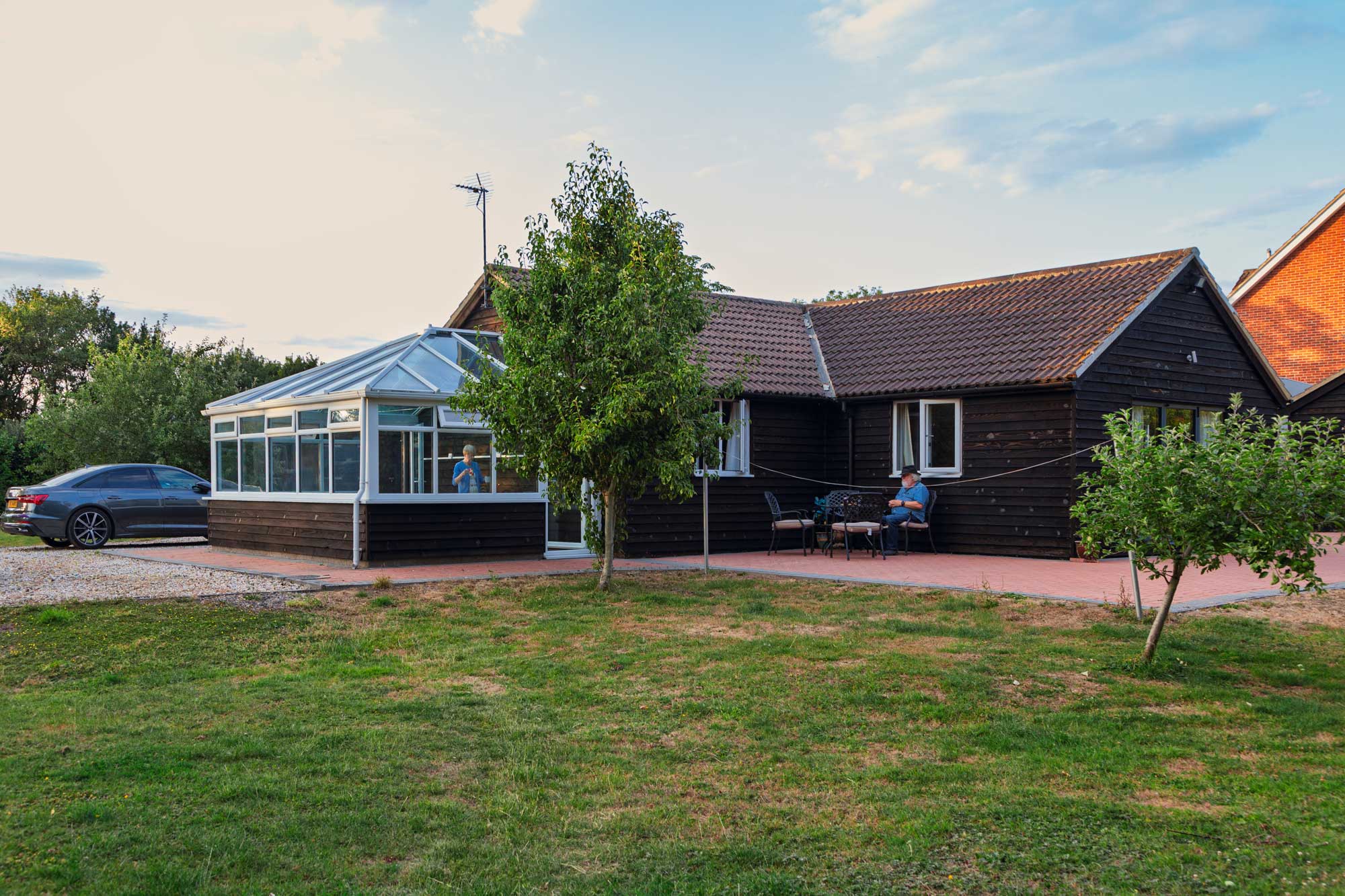
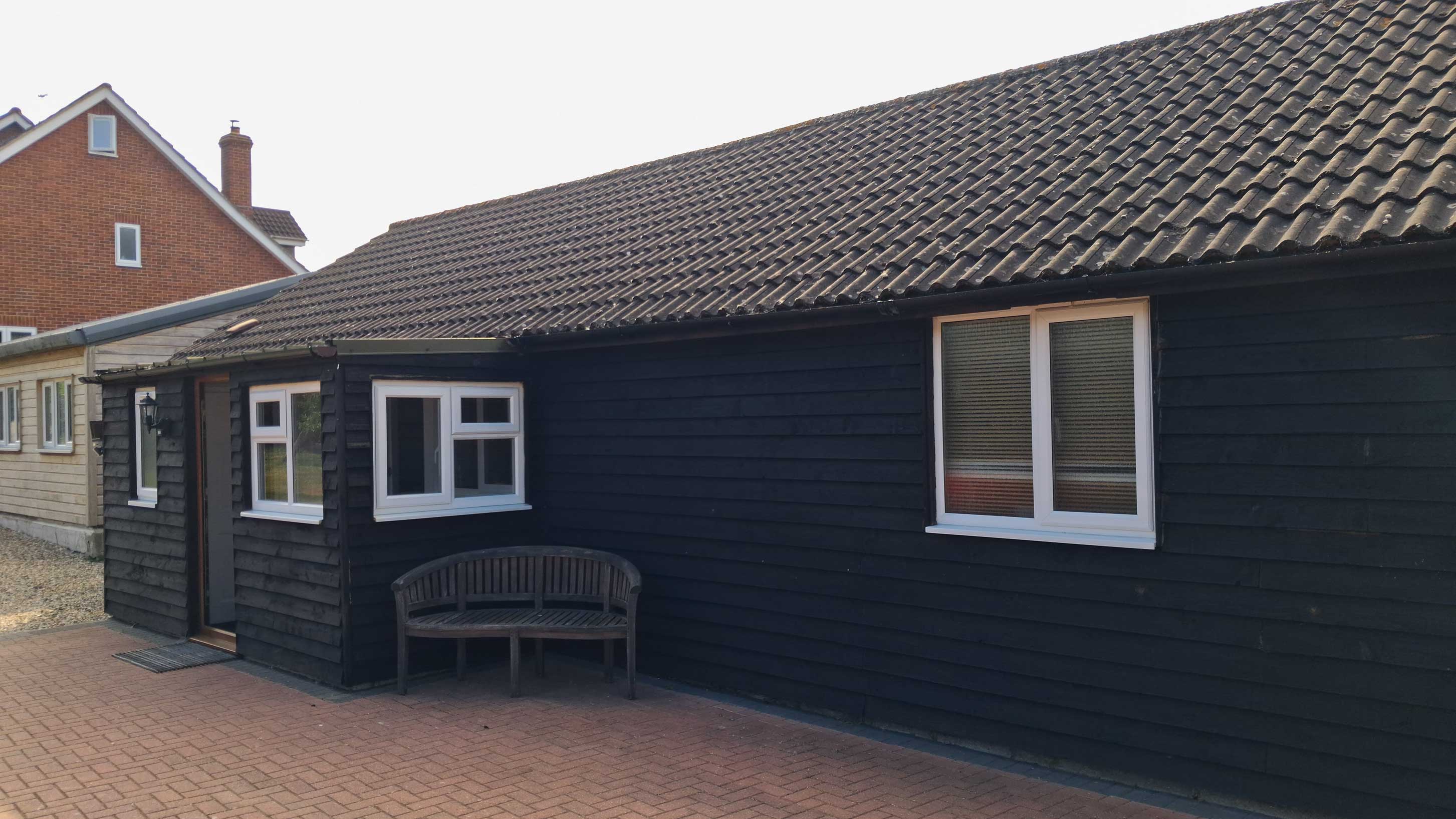
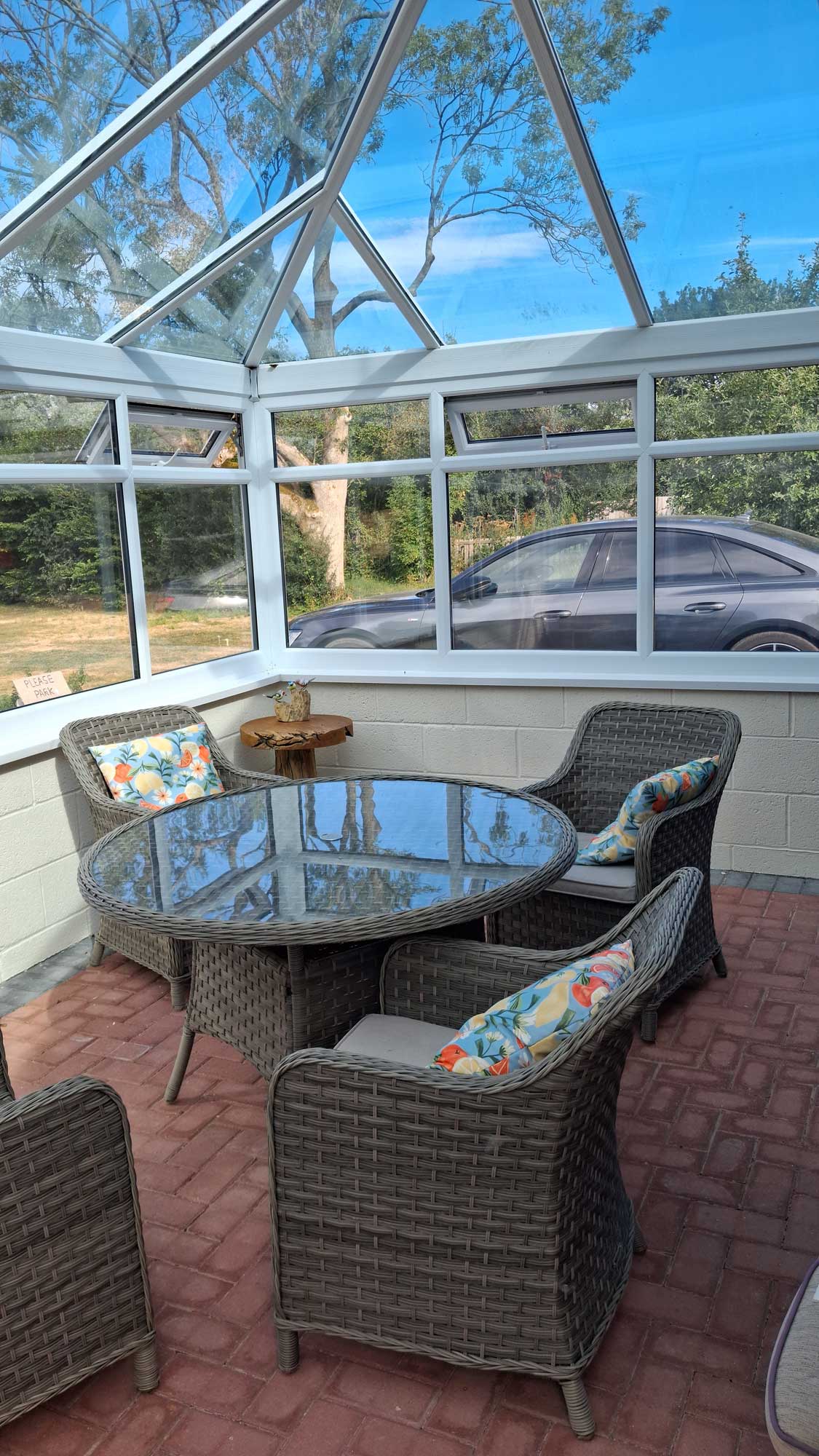
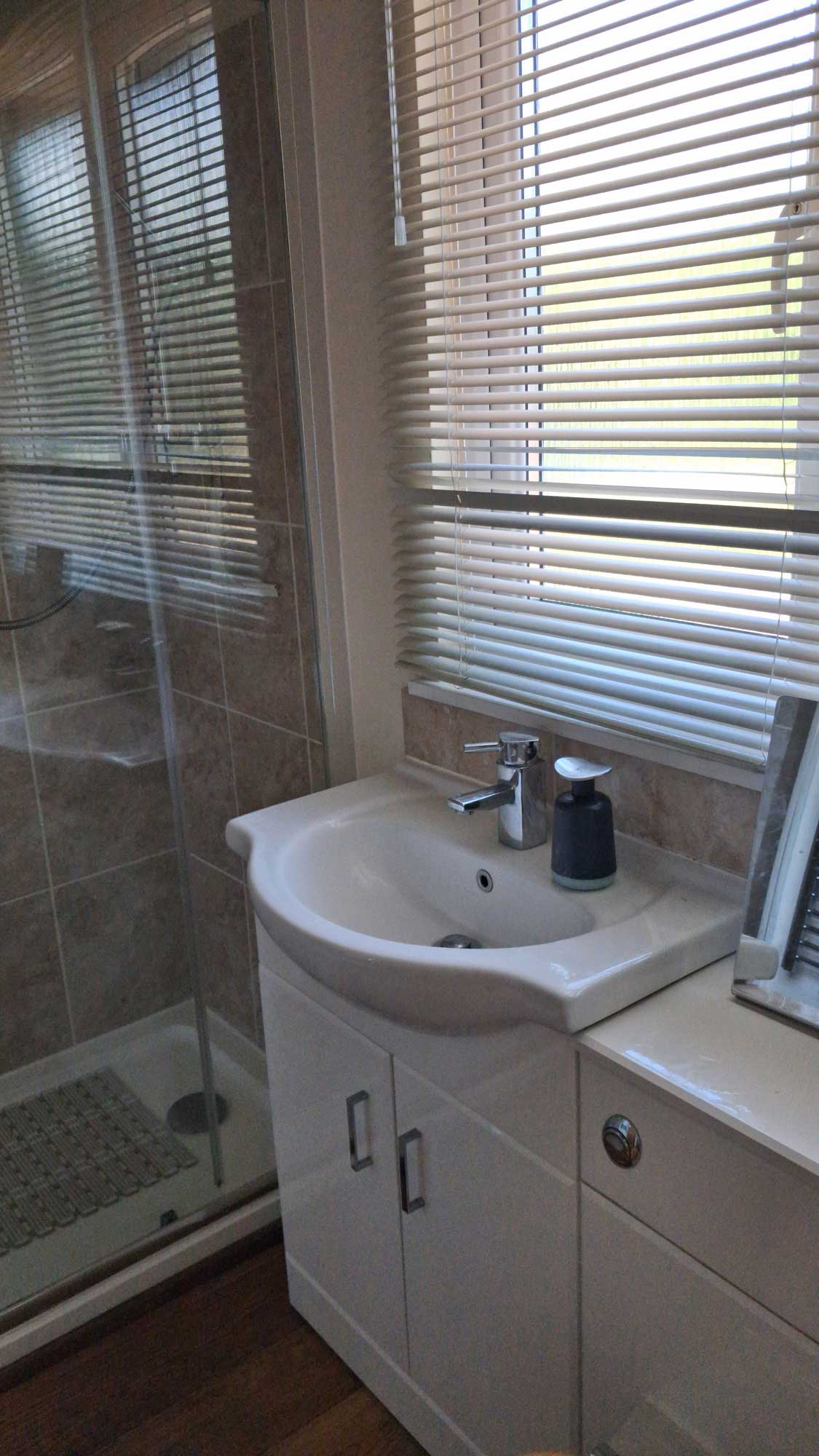
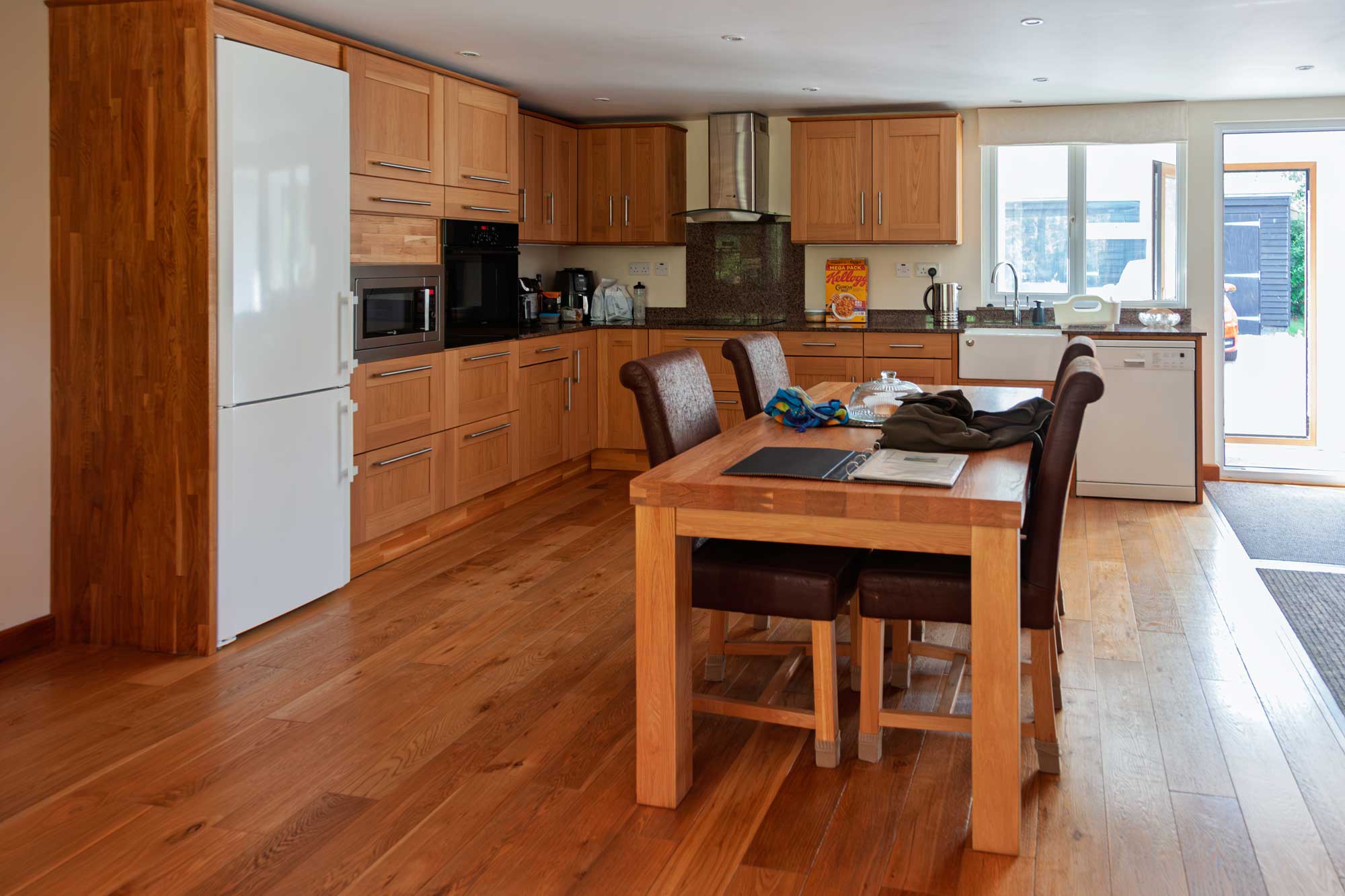
In July 2026 we stayed at The Annex Barnhill Farm House Bushton Road Broad Town Swindon (although Royal Woooton Bassett was the nearest town).
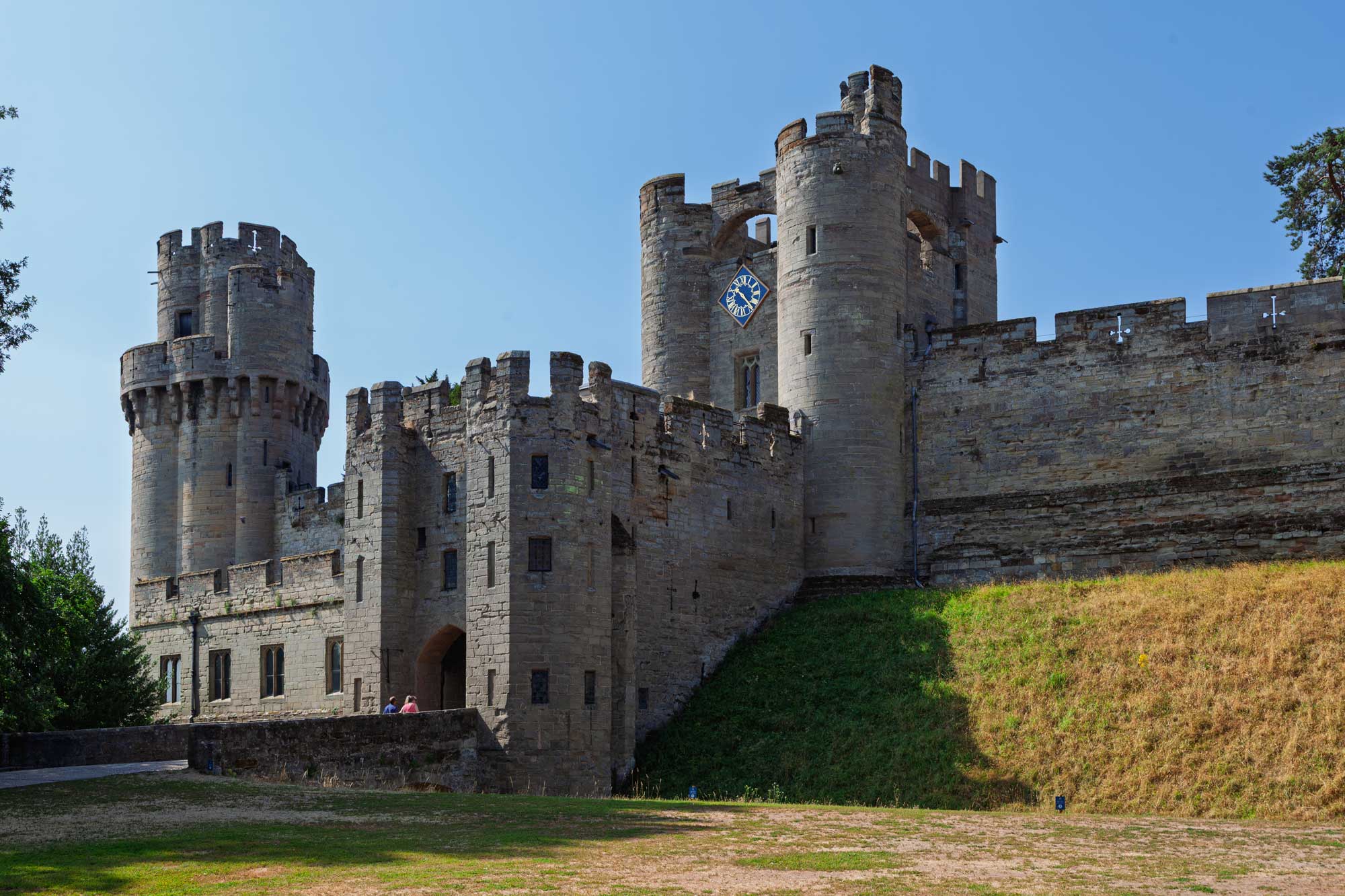
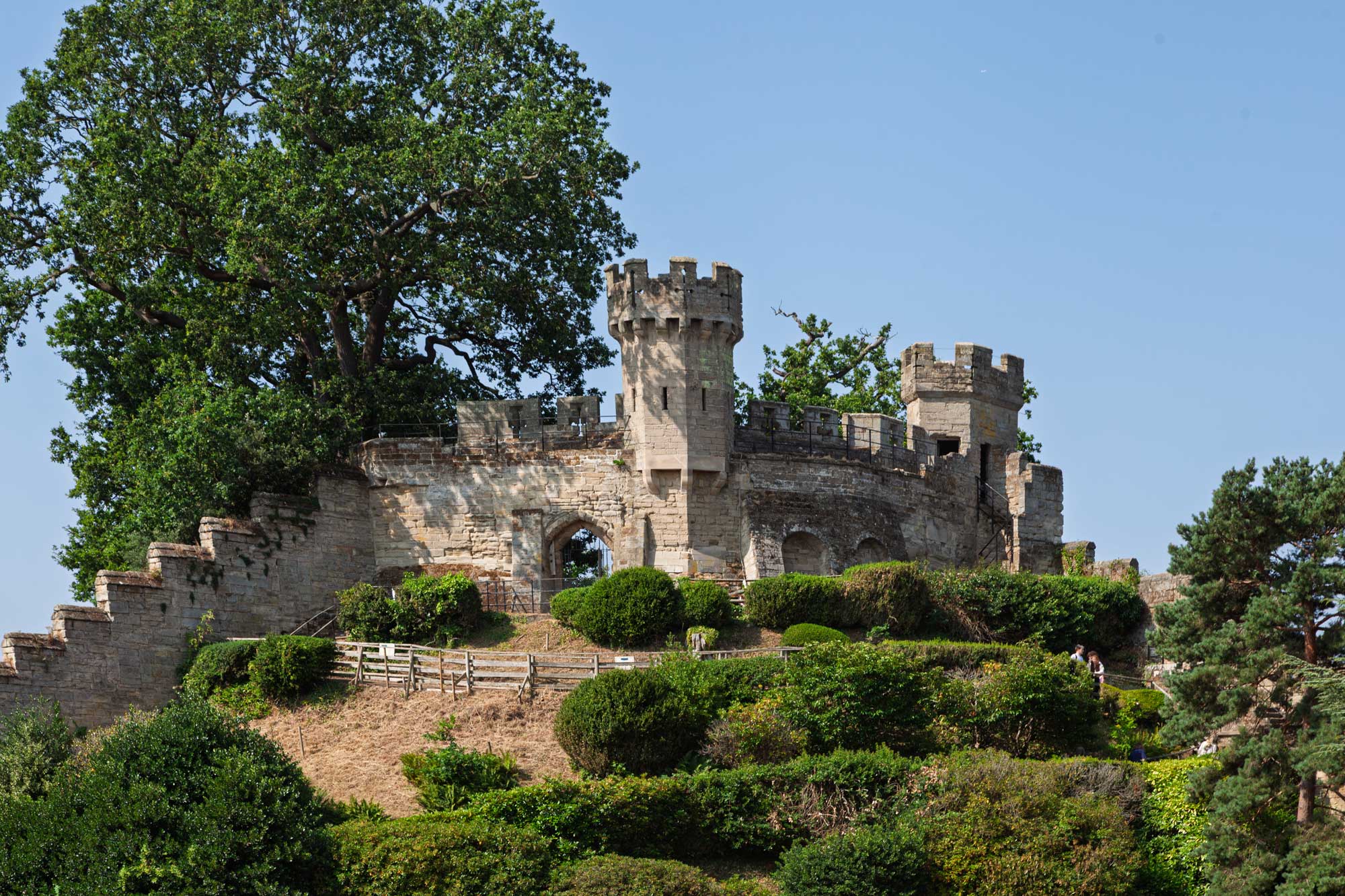
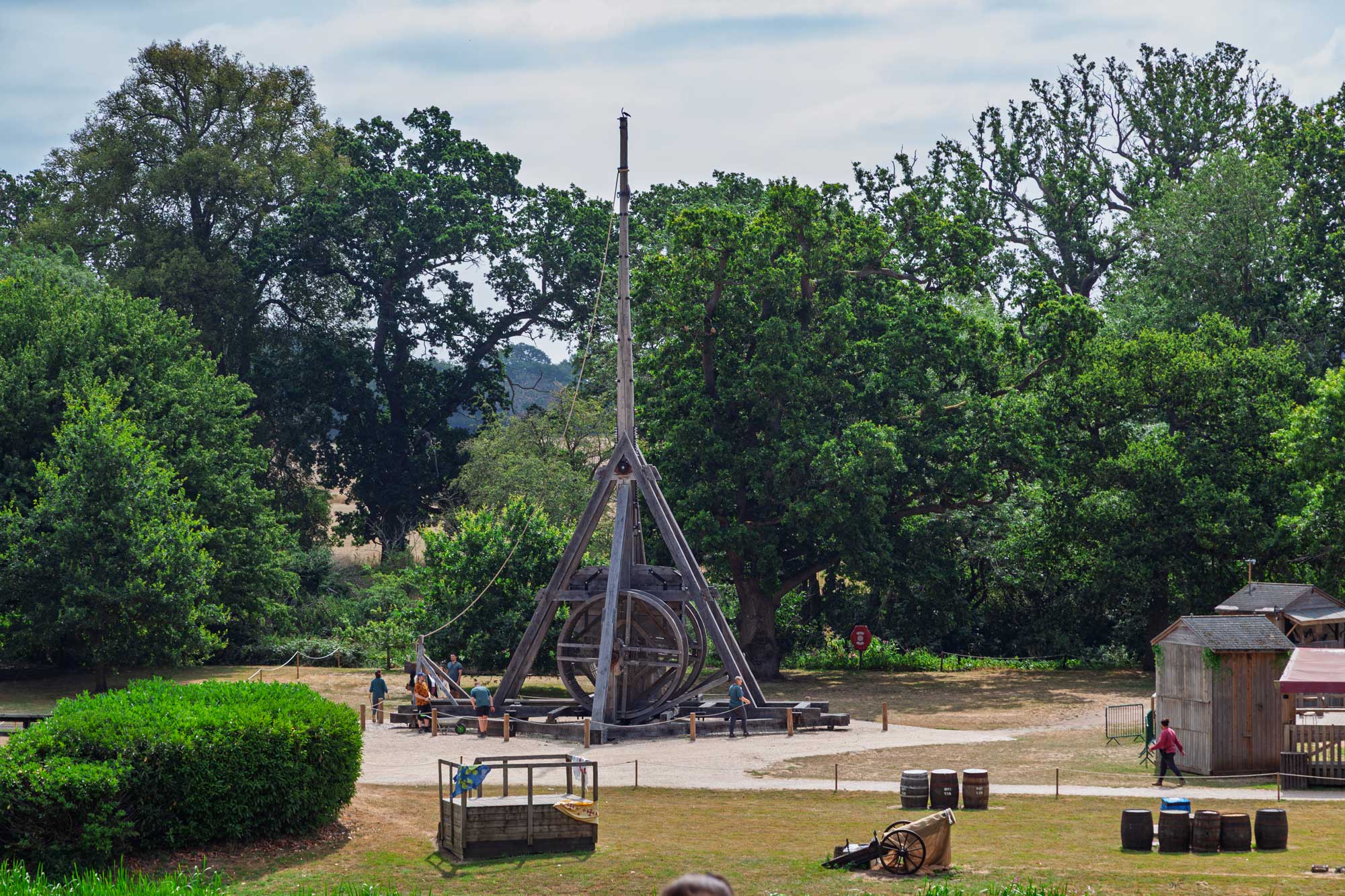
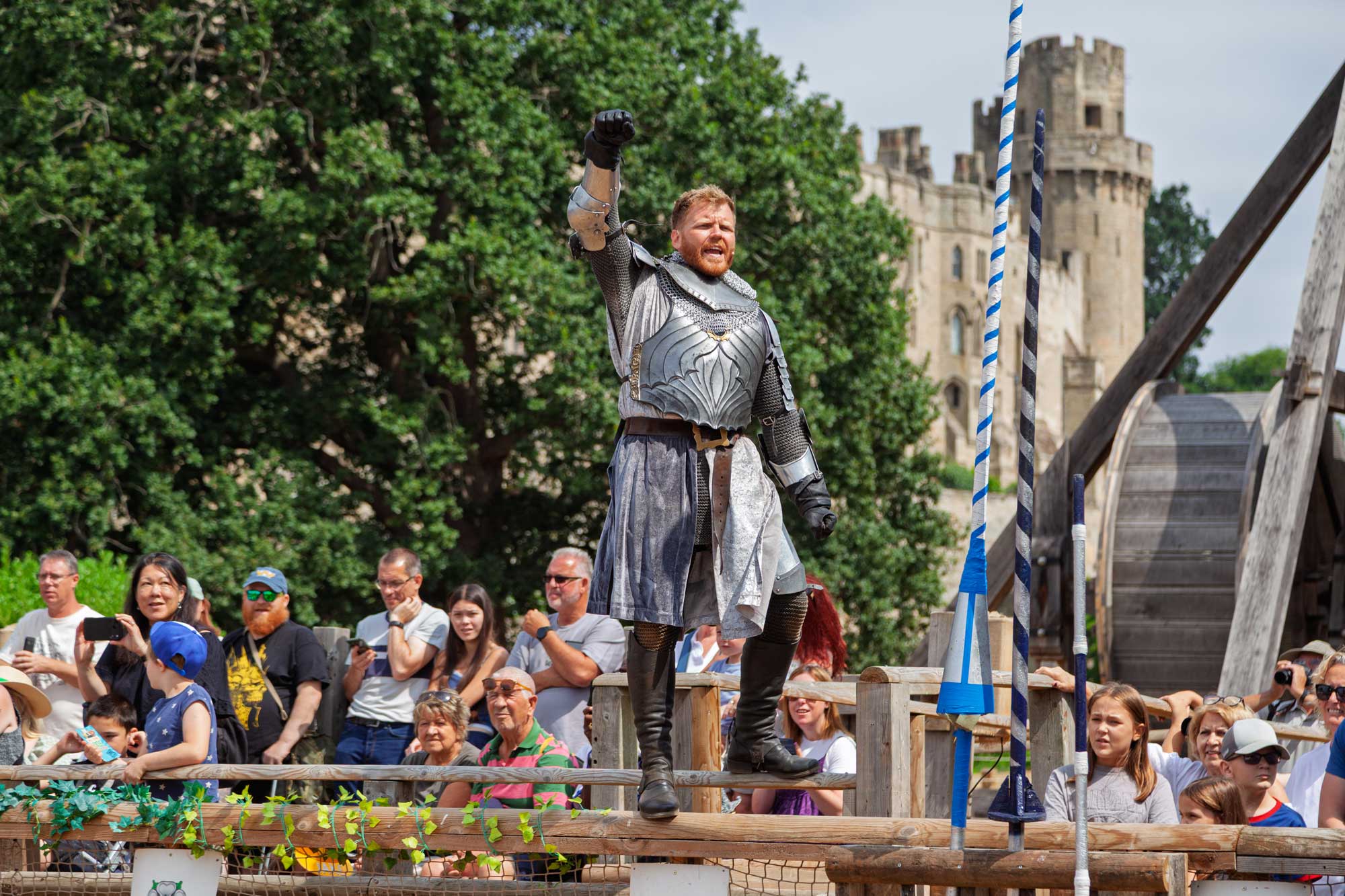
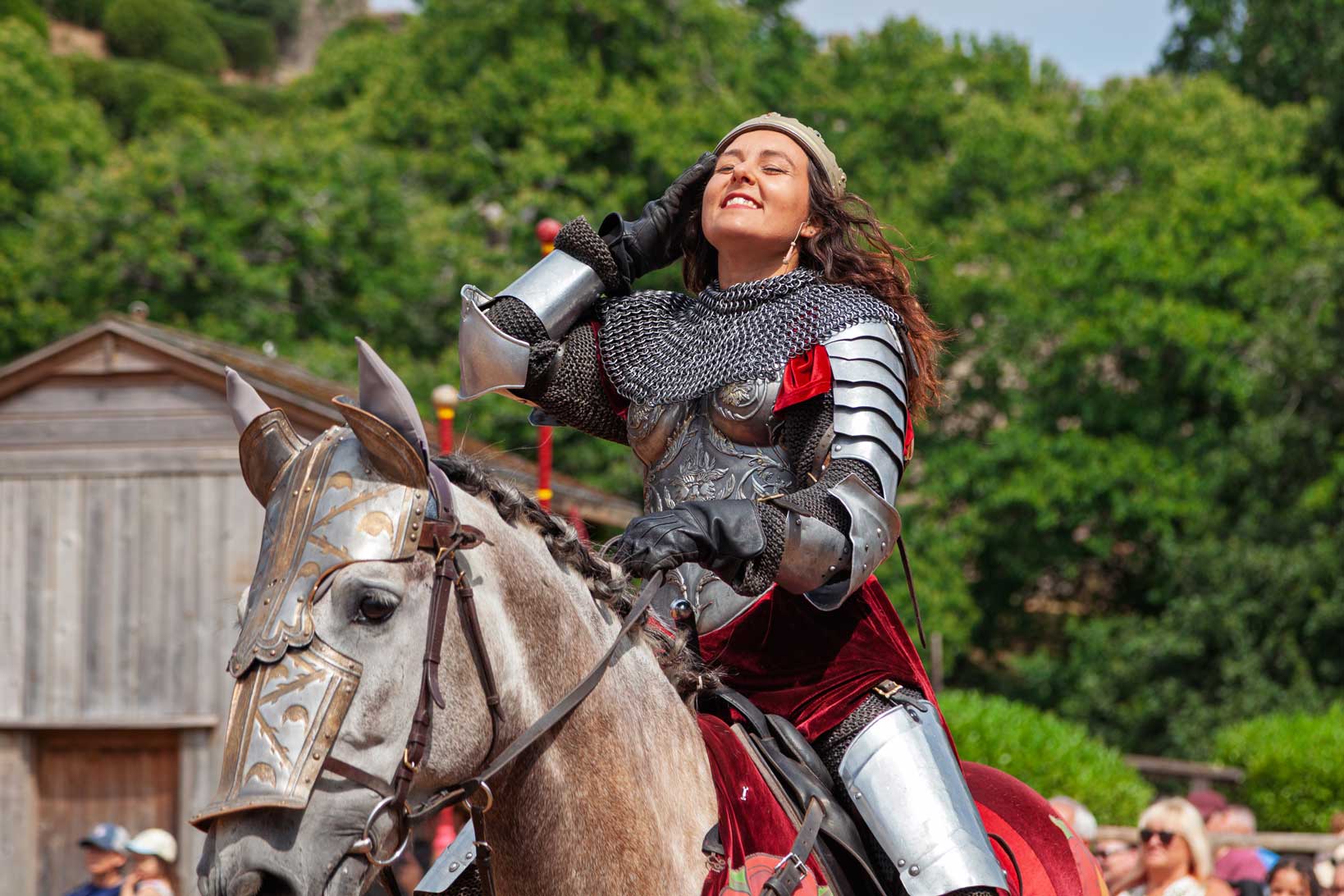
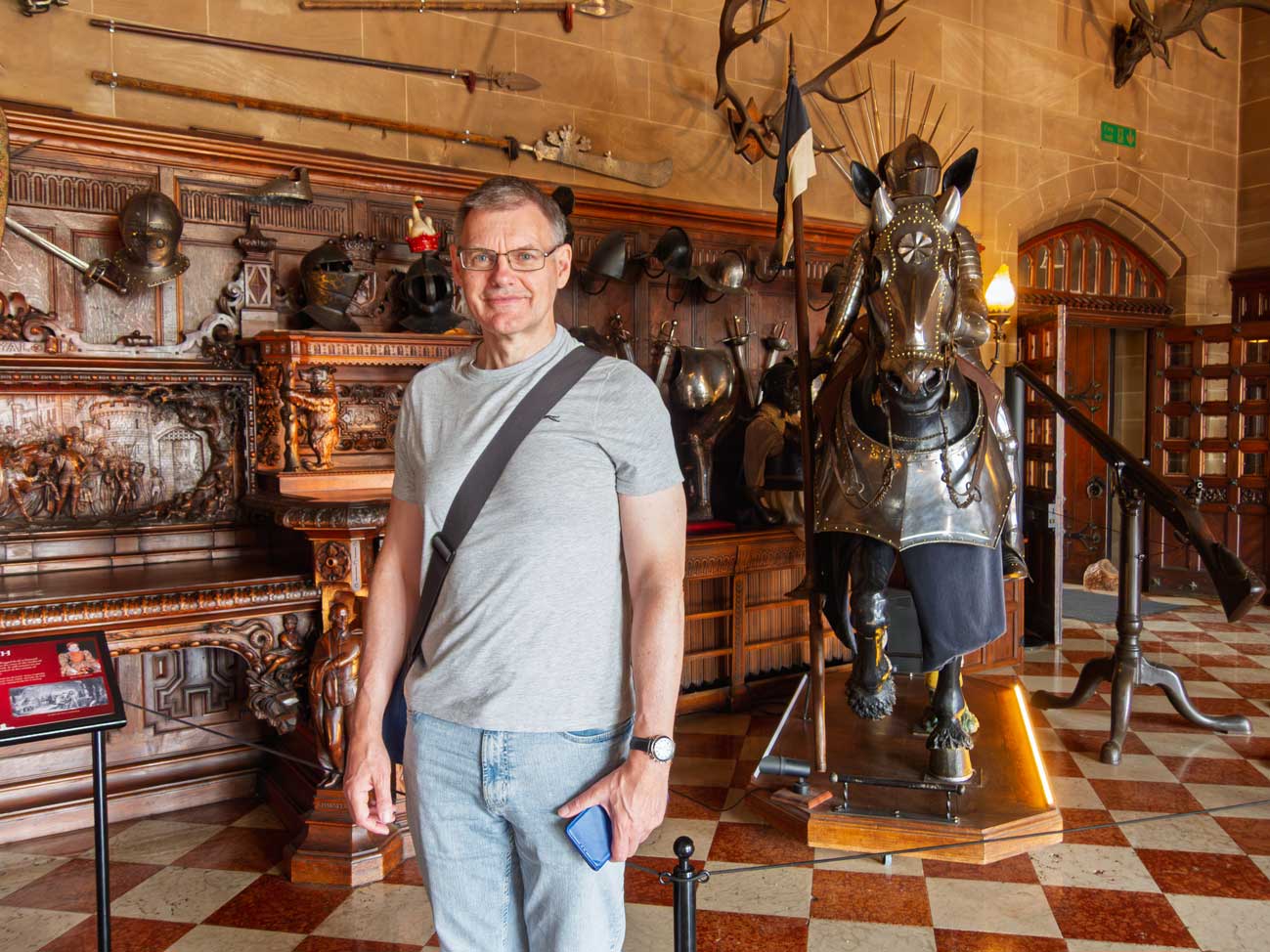
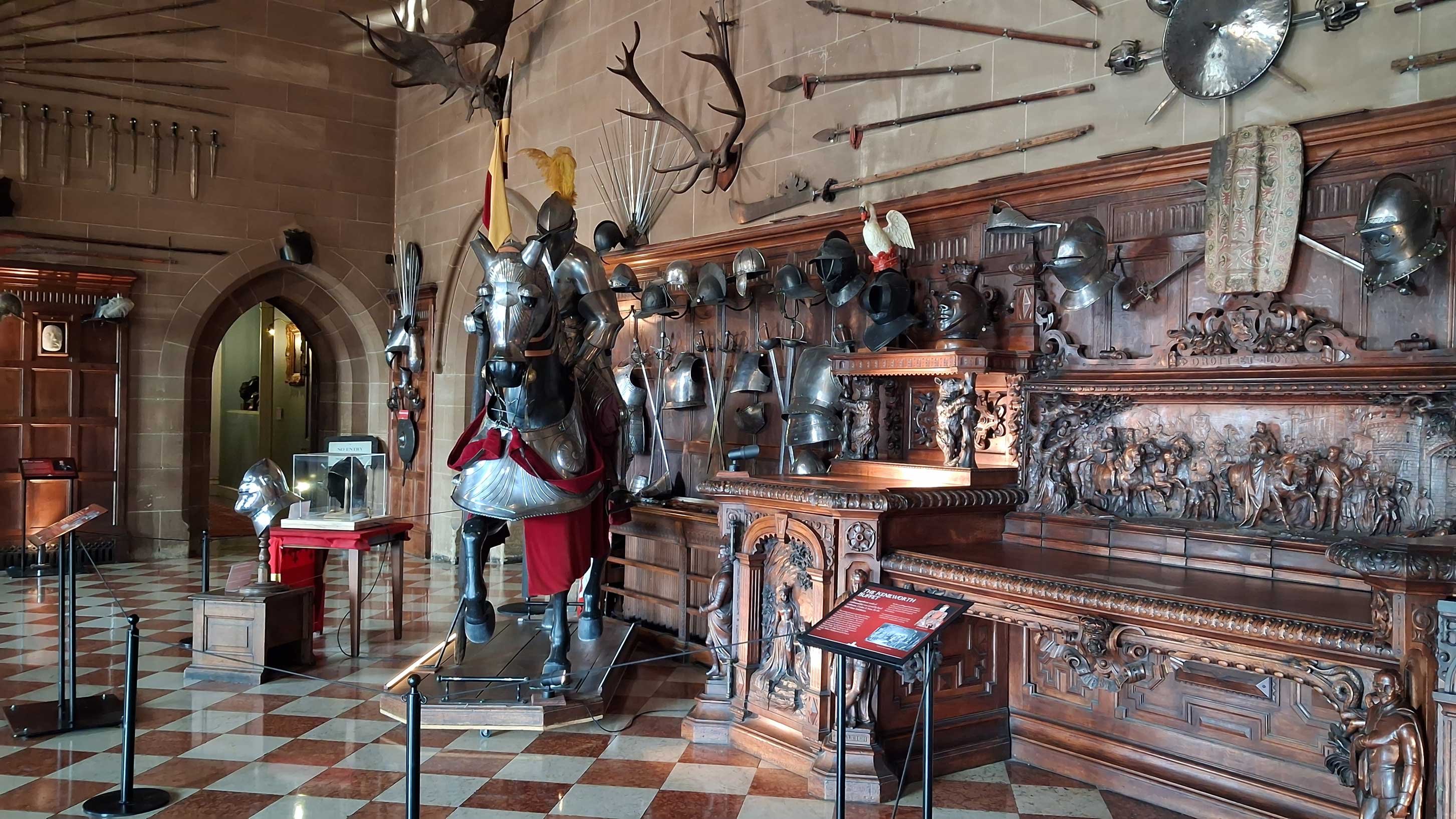
Warwick Castle
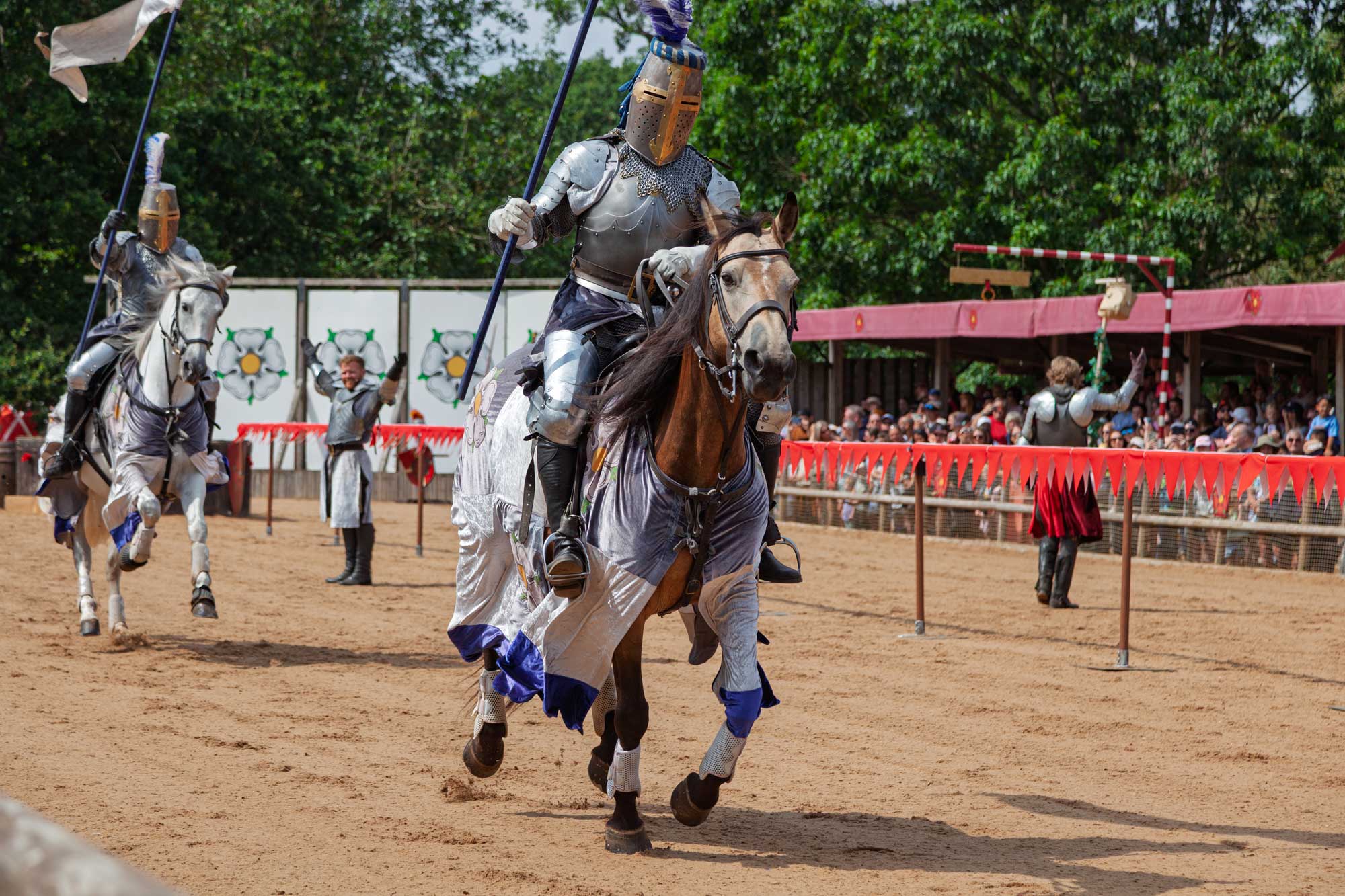
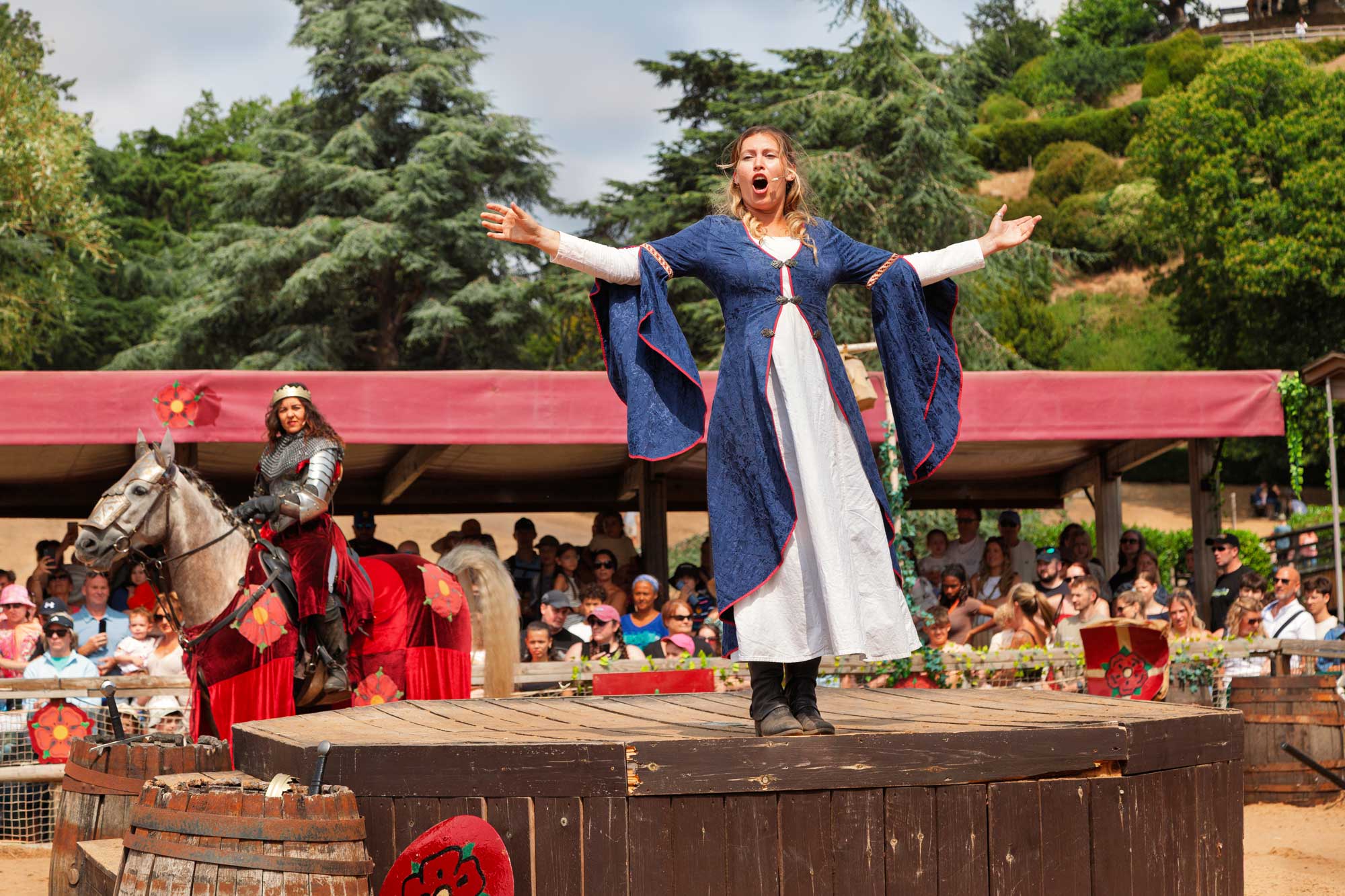
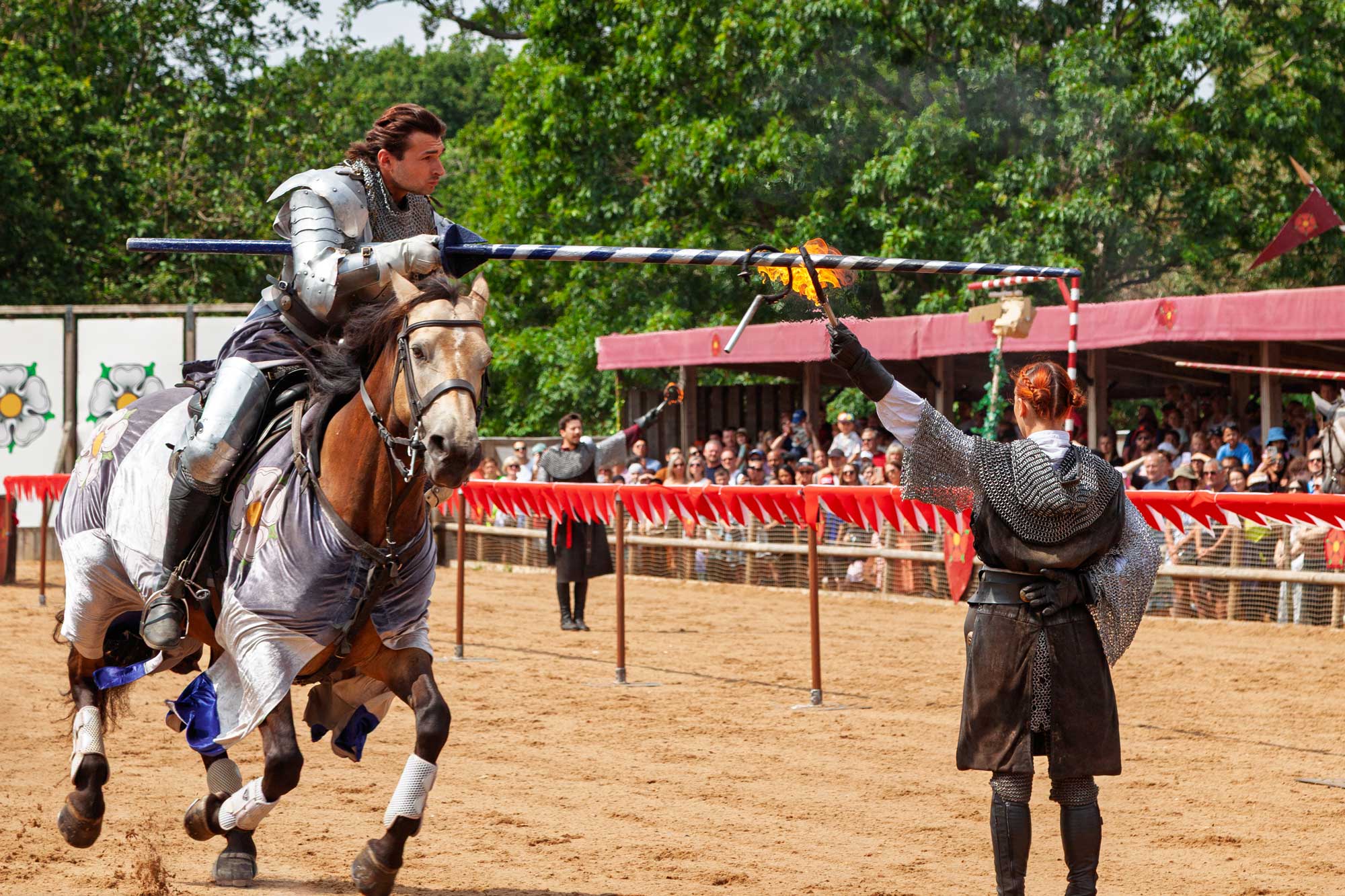
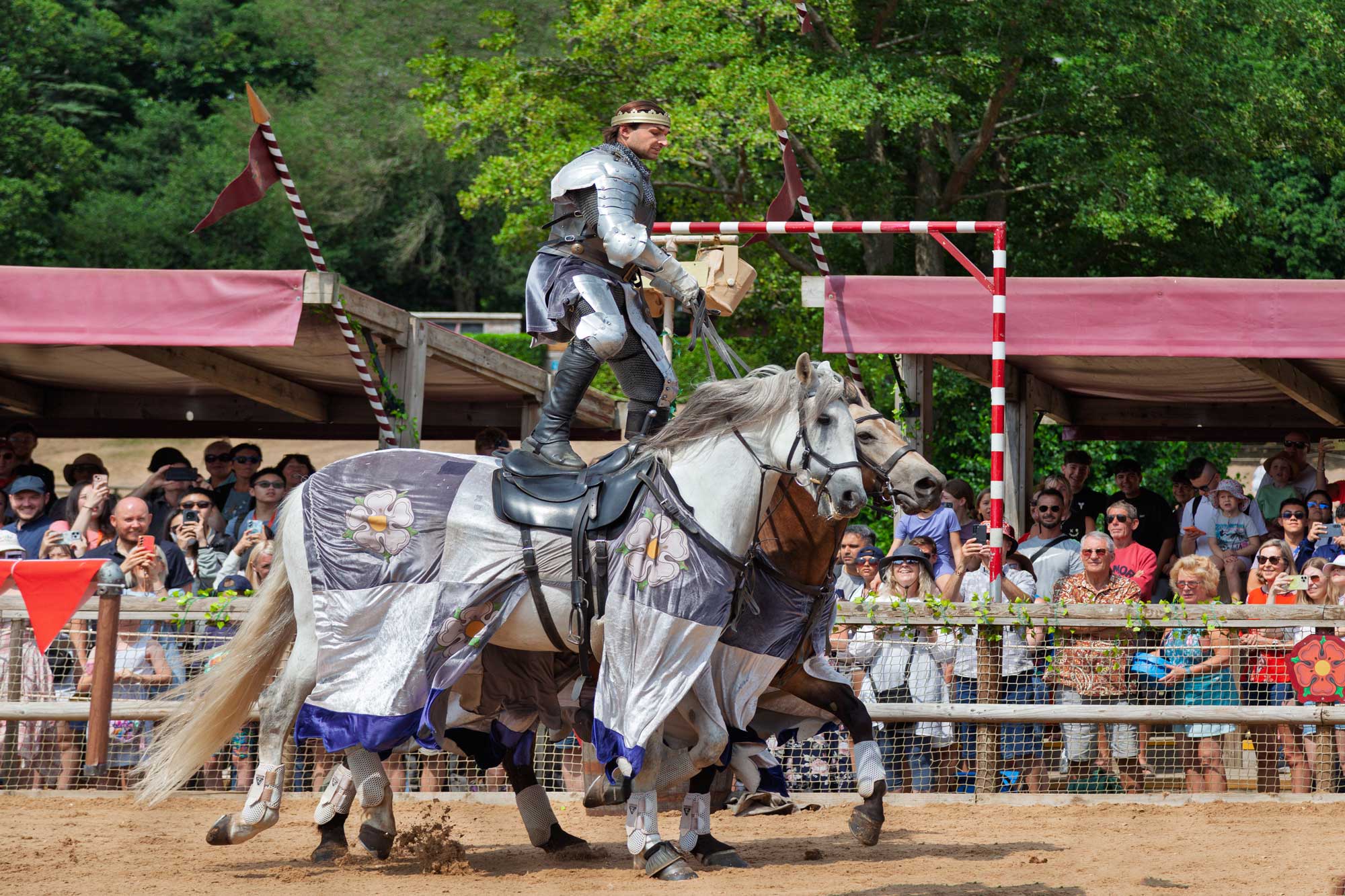
We broke up our journey down with an overnight stay at the Premier Inn in Warwick from where we visited Warwick Castle.
Our Accommodation
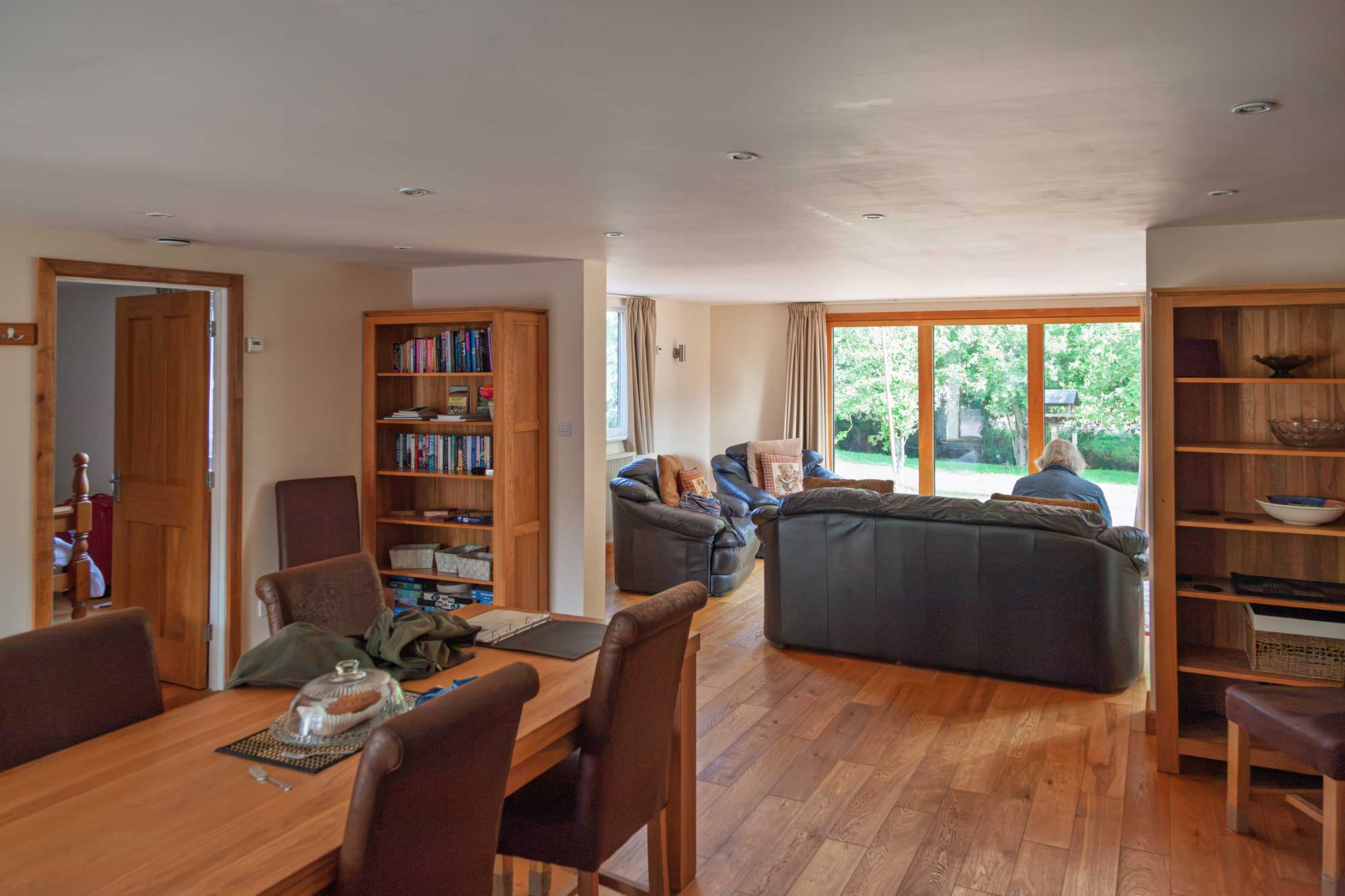
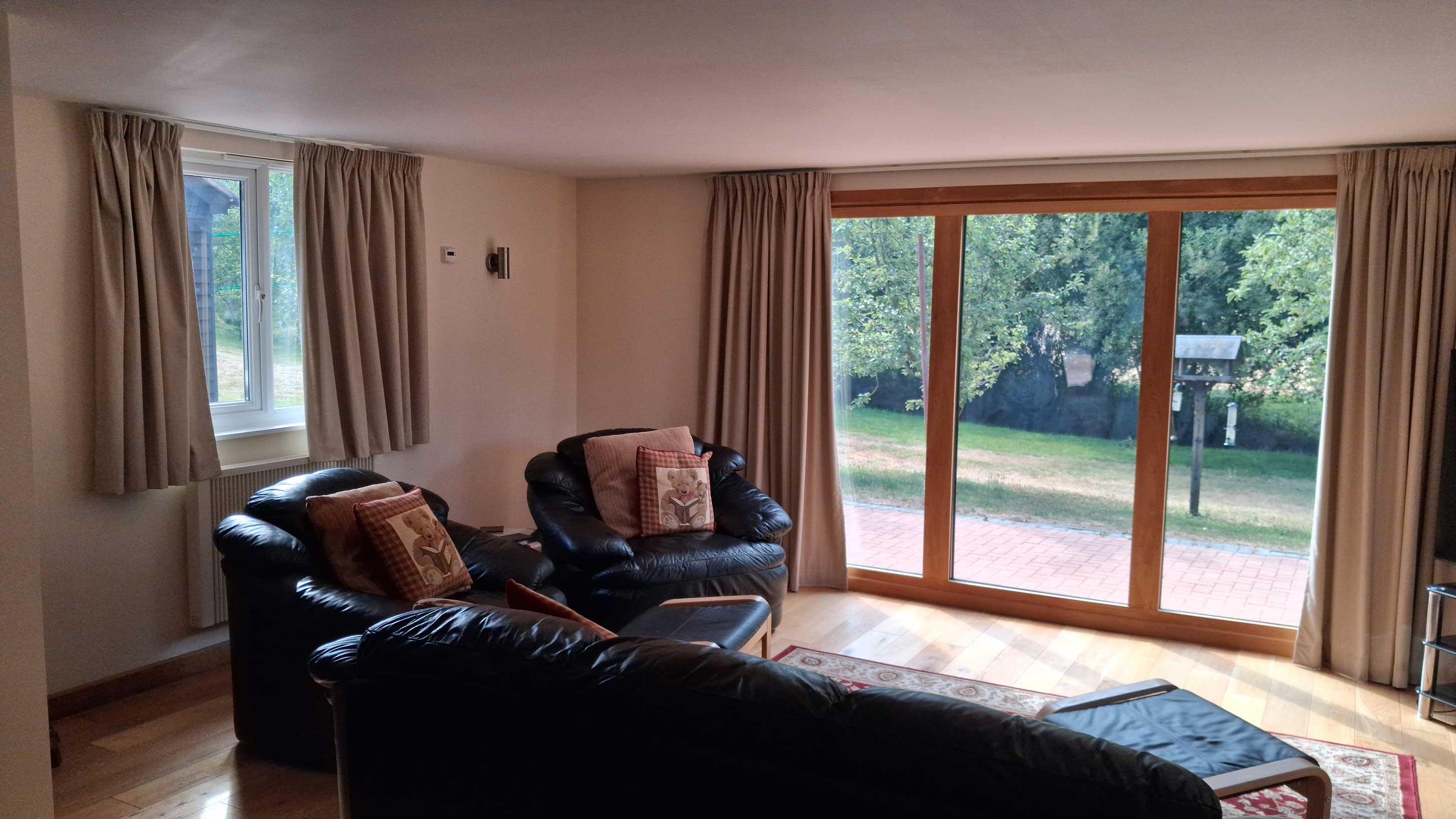
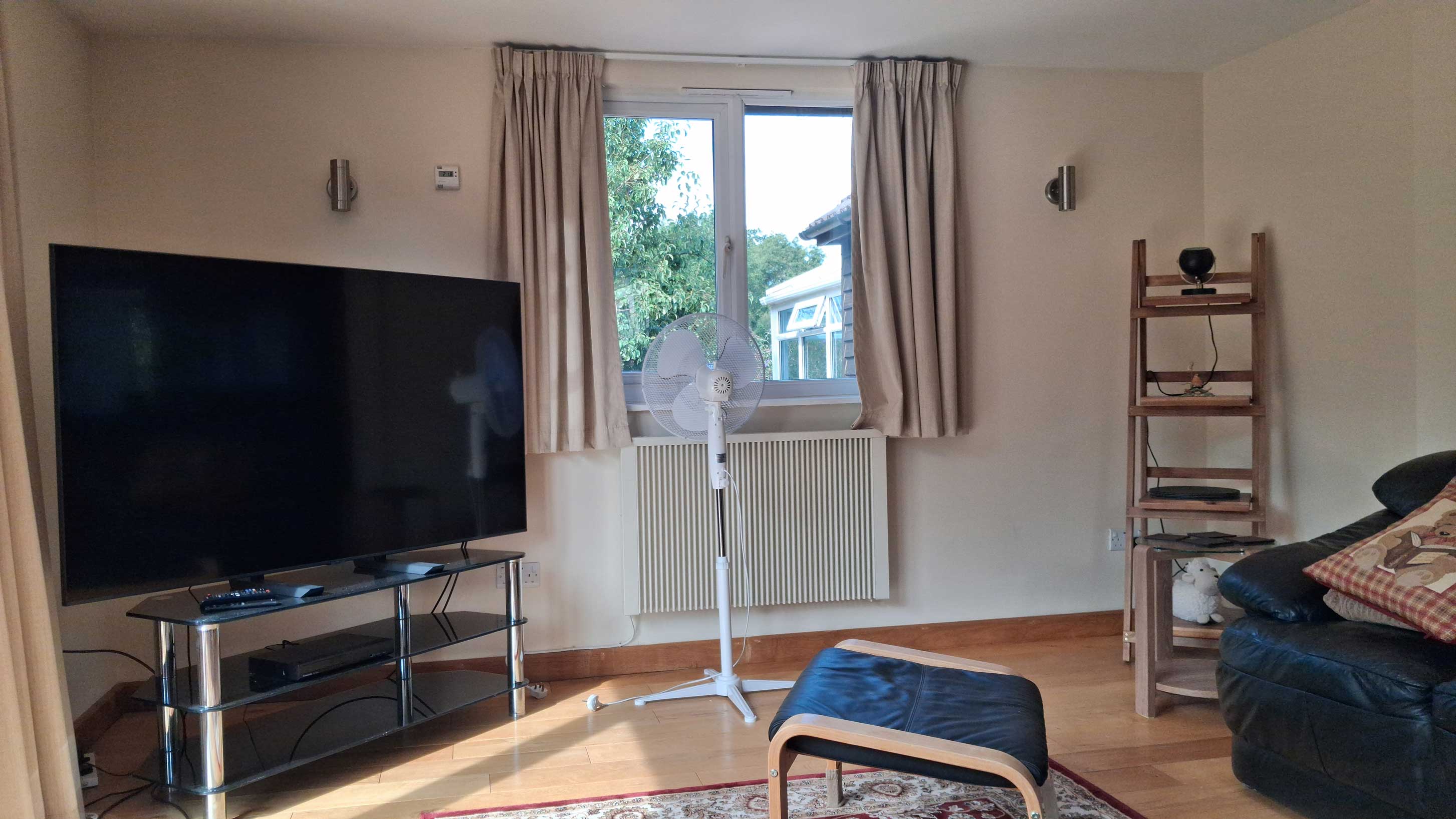
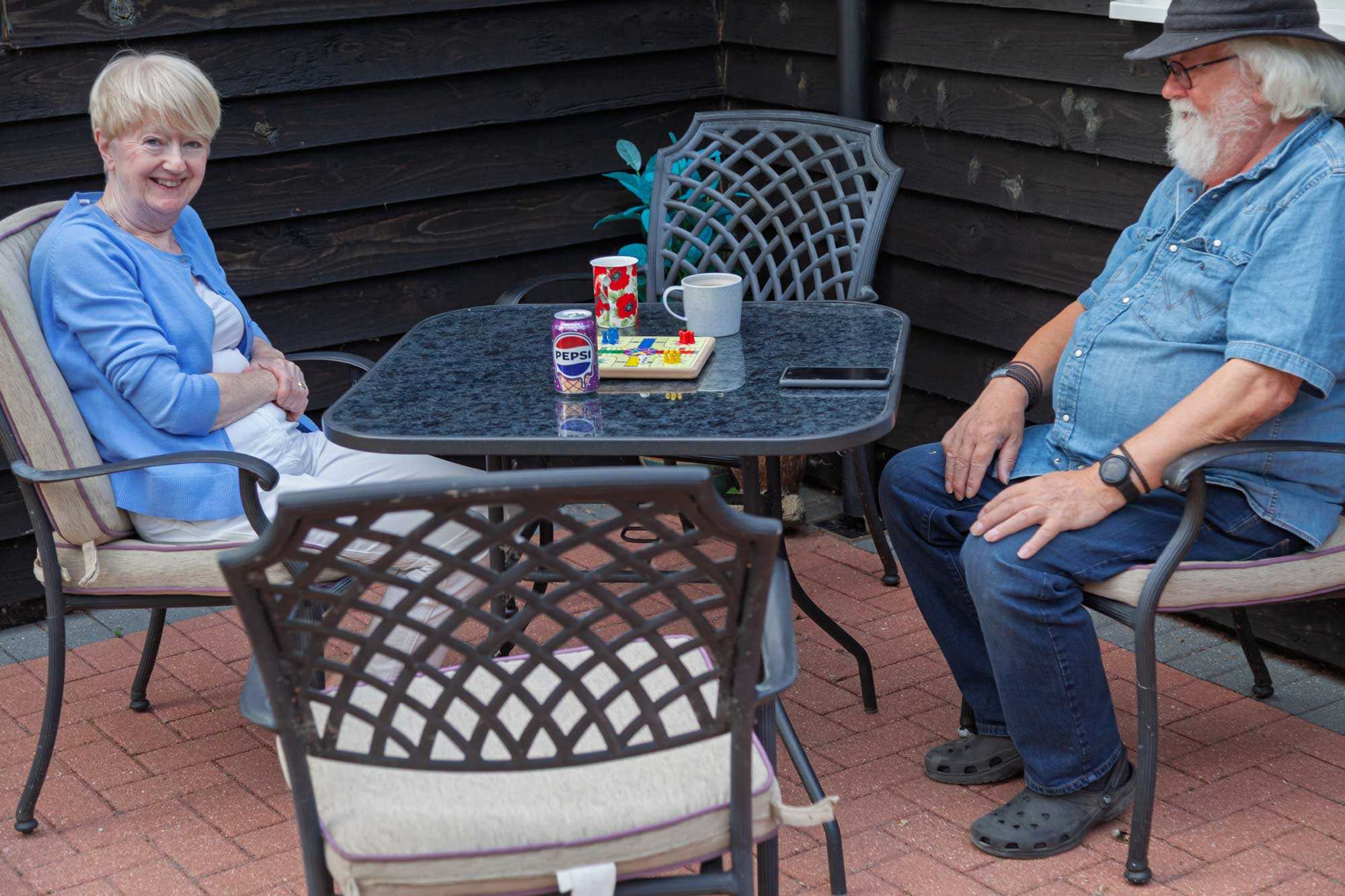
Caen Hill Locks, Devizes
Caen Hill Locks, near Devizes were opened in 1810 on the Kennet and Avon Canal. There are 29 locks that raise or lower boats by 237 feet (72 metres) over two miles. We went to see the central flight of 16 locks which are recognised as a scheduled monument.
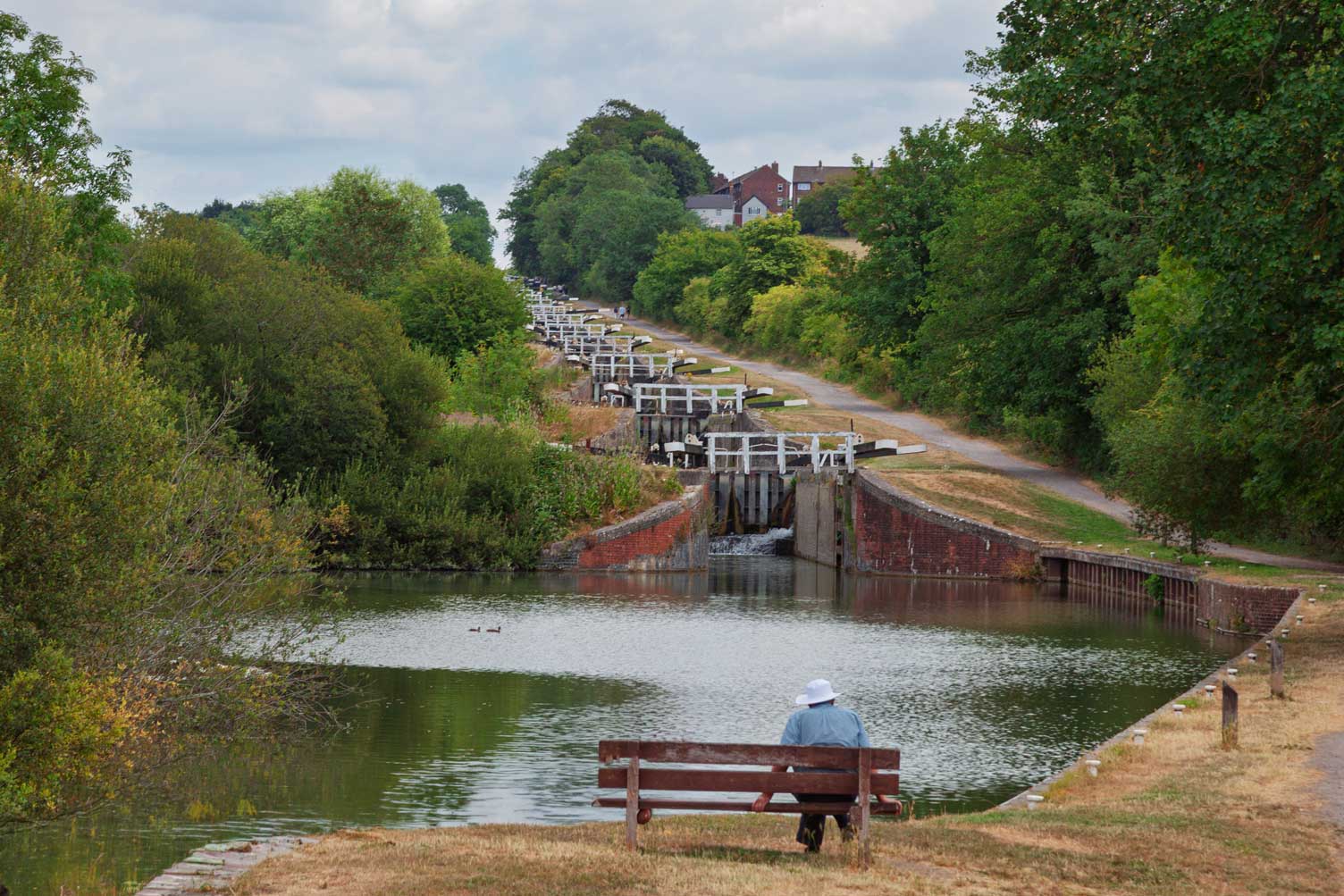
Pat and I had visited the locks before in June 2011. We'd ridden there on our bikes that time when we were staying near Frome in Somerset. Here's the photo from back then:

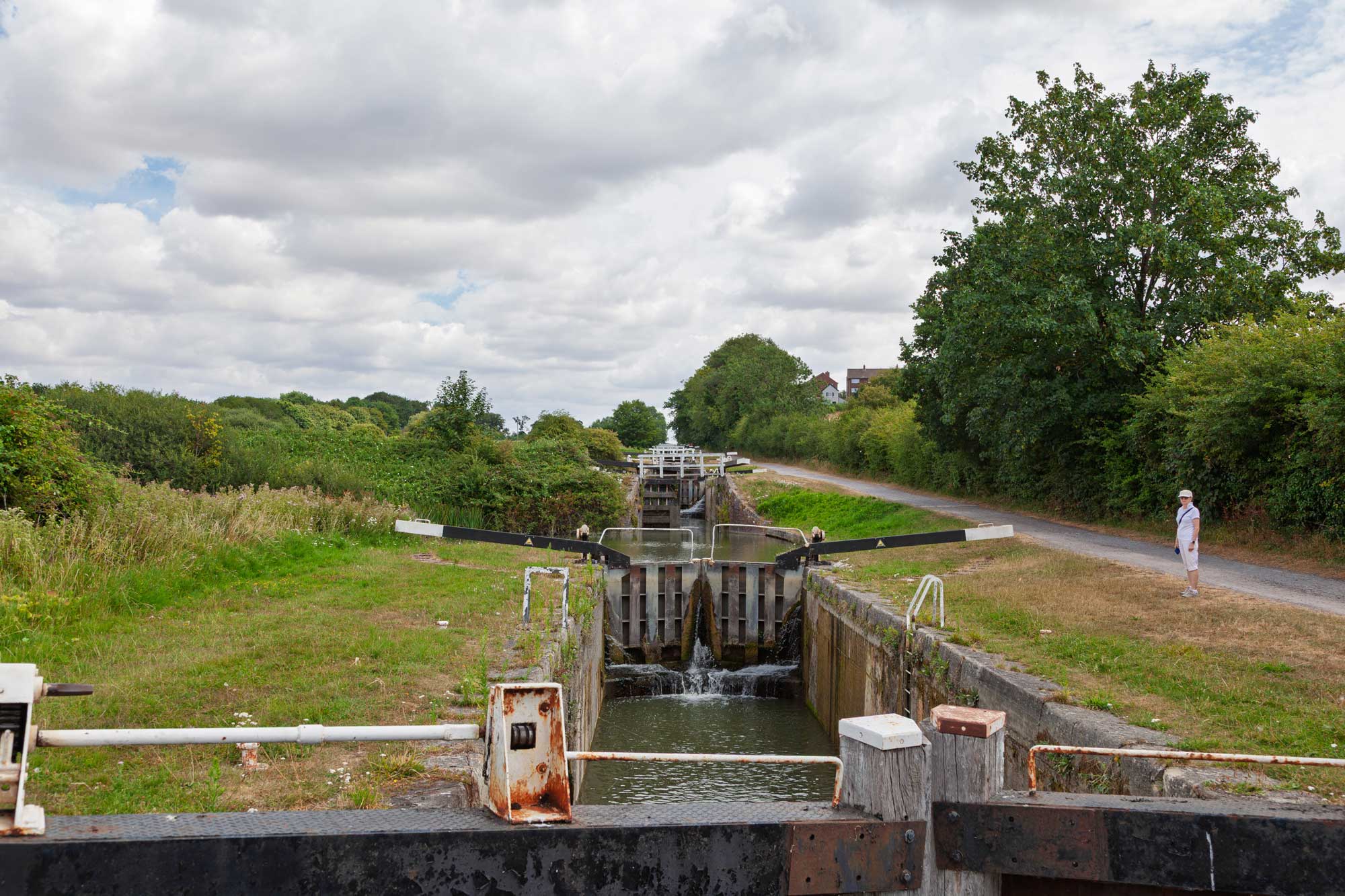
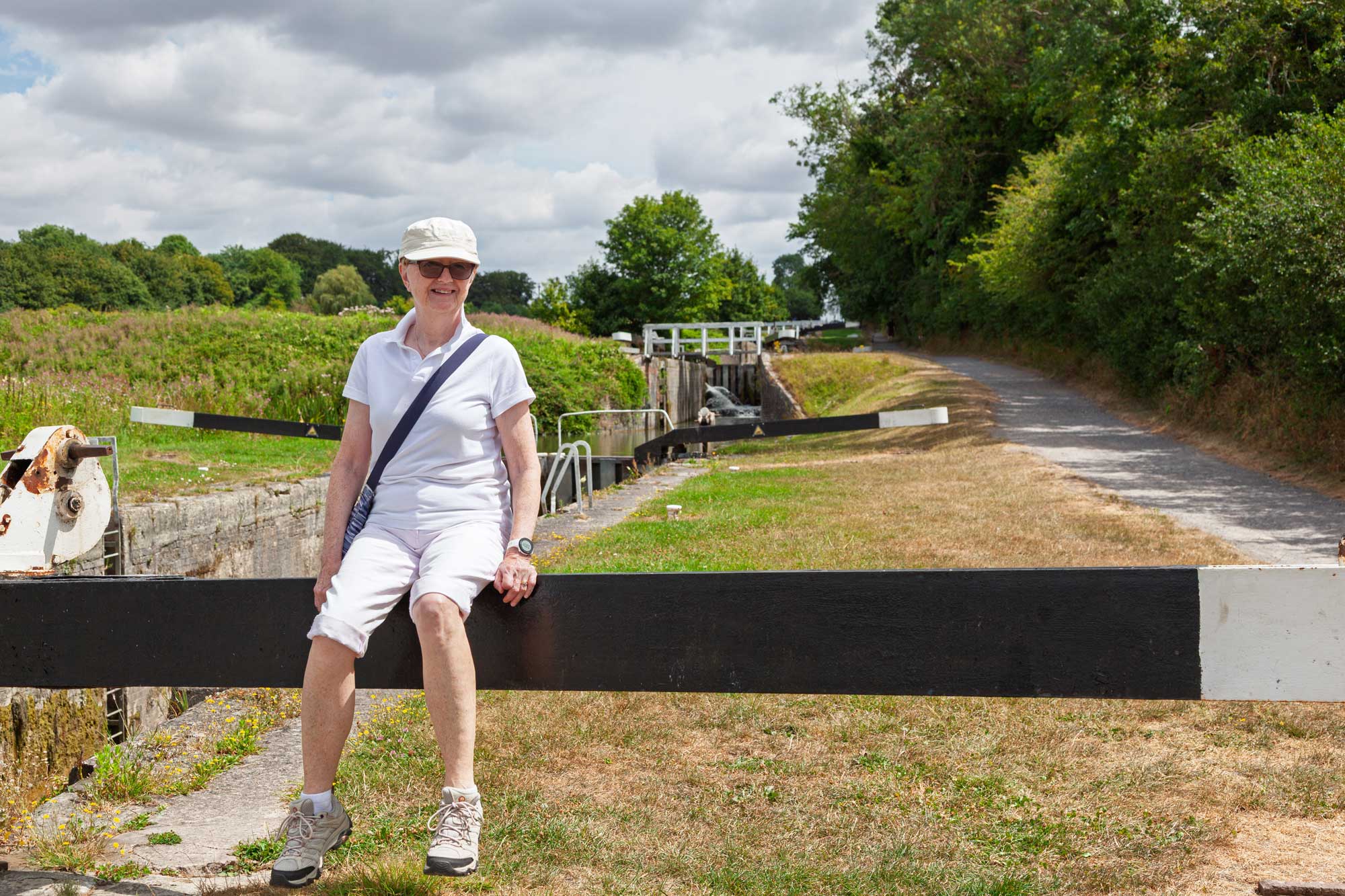
We worked out that I'd taken that photo from Lock number 35, so I took another photo of Pat from the same spot. I didn't quite get the angle right!
Lacock Abbey and Village
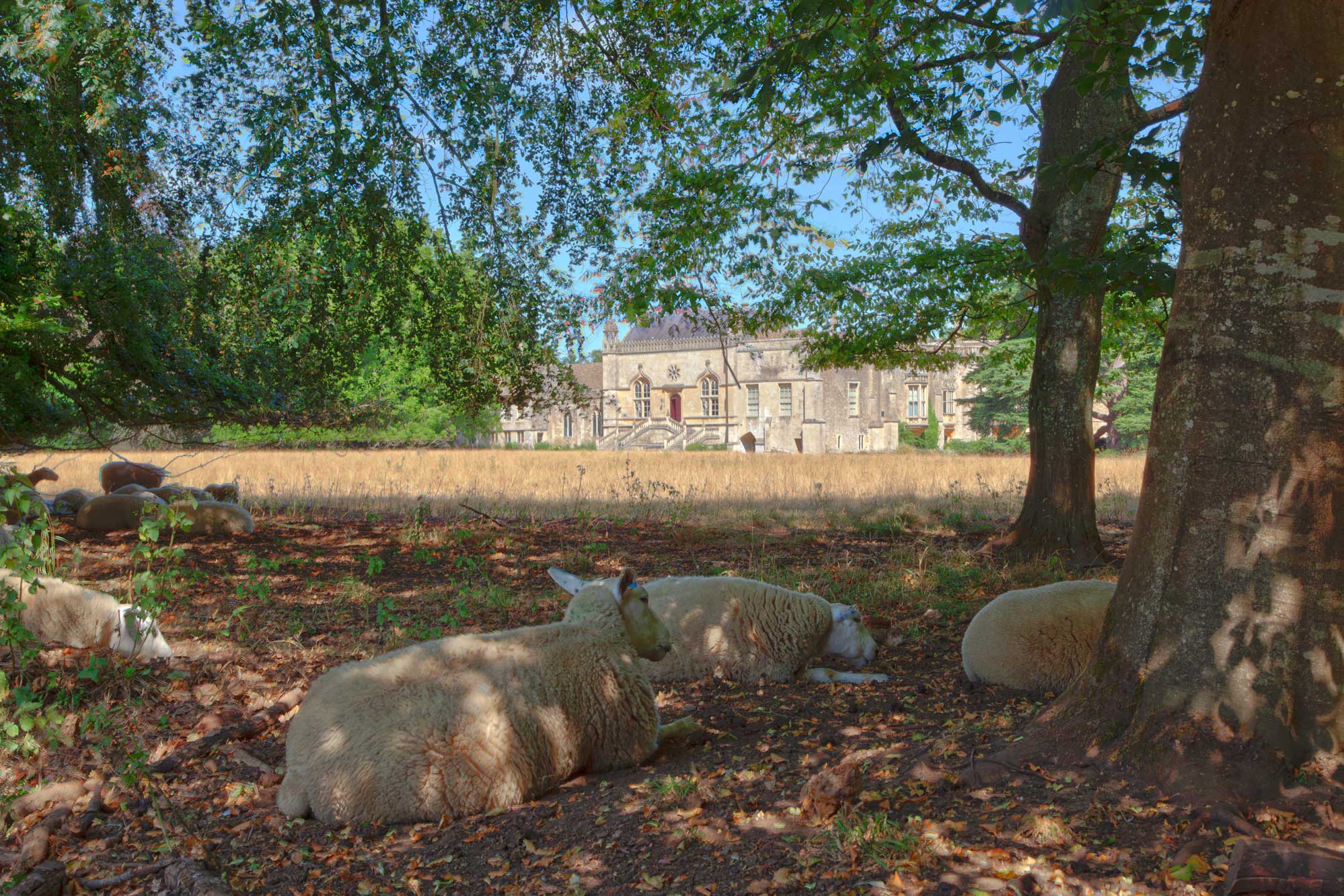
Lacock Abbey has a special place in history as it was once the home of William Henry Fox Talbot and it was whilst he was living there that, in August 1835, Mr Fox Talbot produced the very first photograph. It is not surprising therefore that within the Abbey grounds there is a Museum dedicated to early photography and to the work of W. H. Fox Talbot in particular.
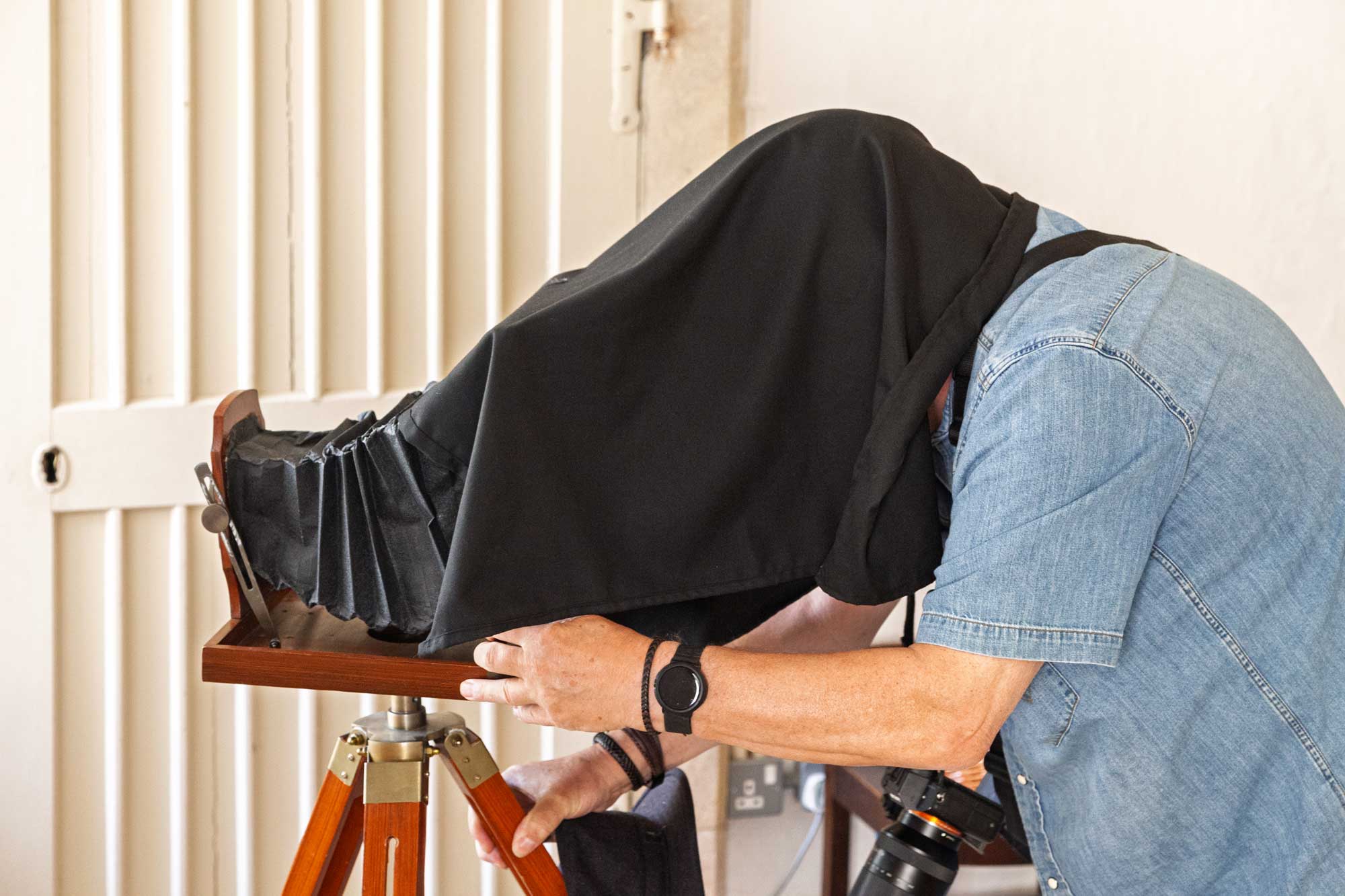
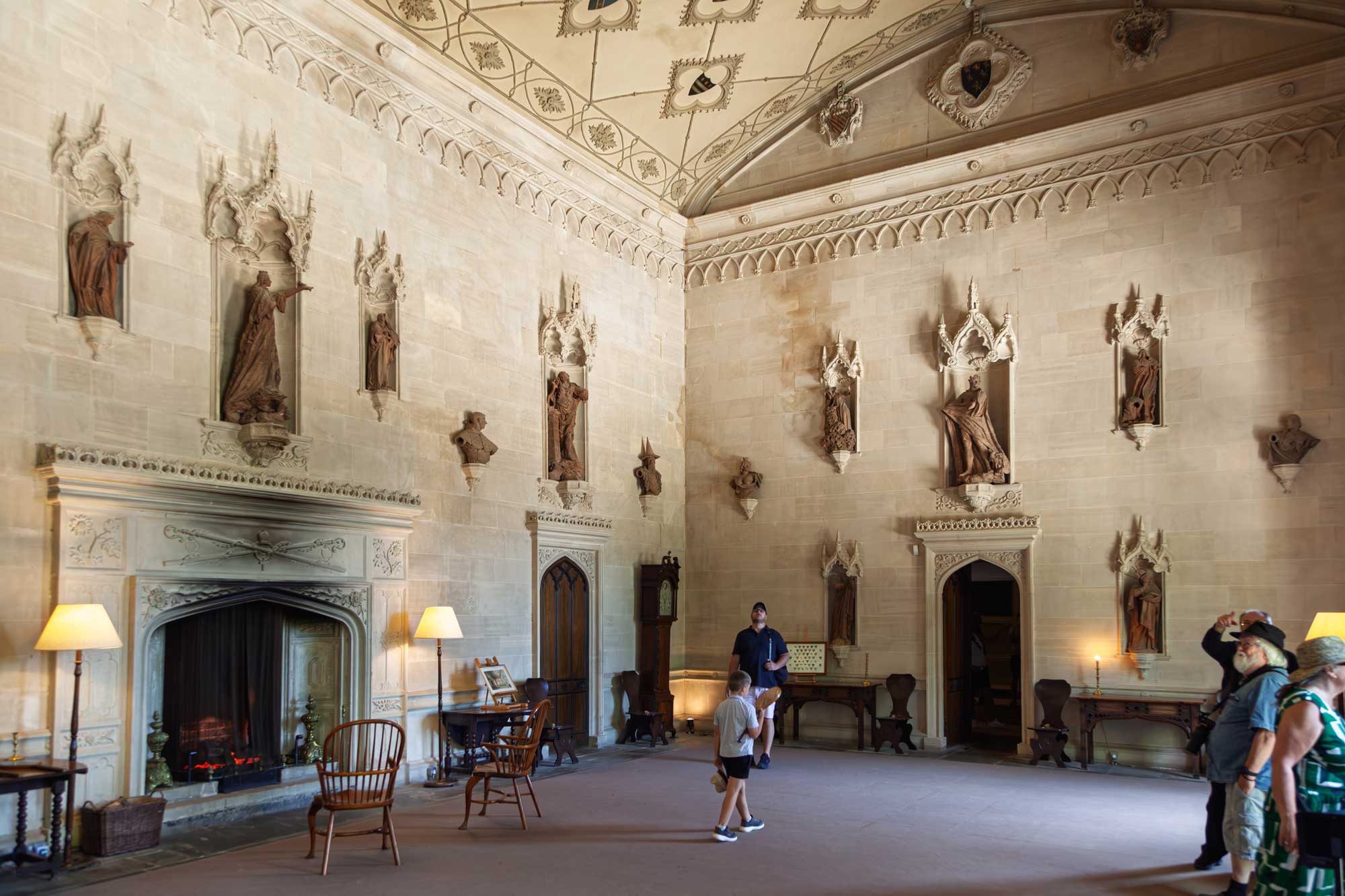
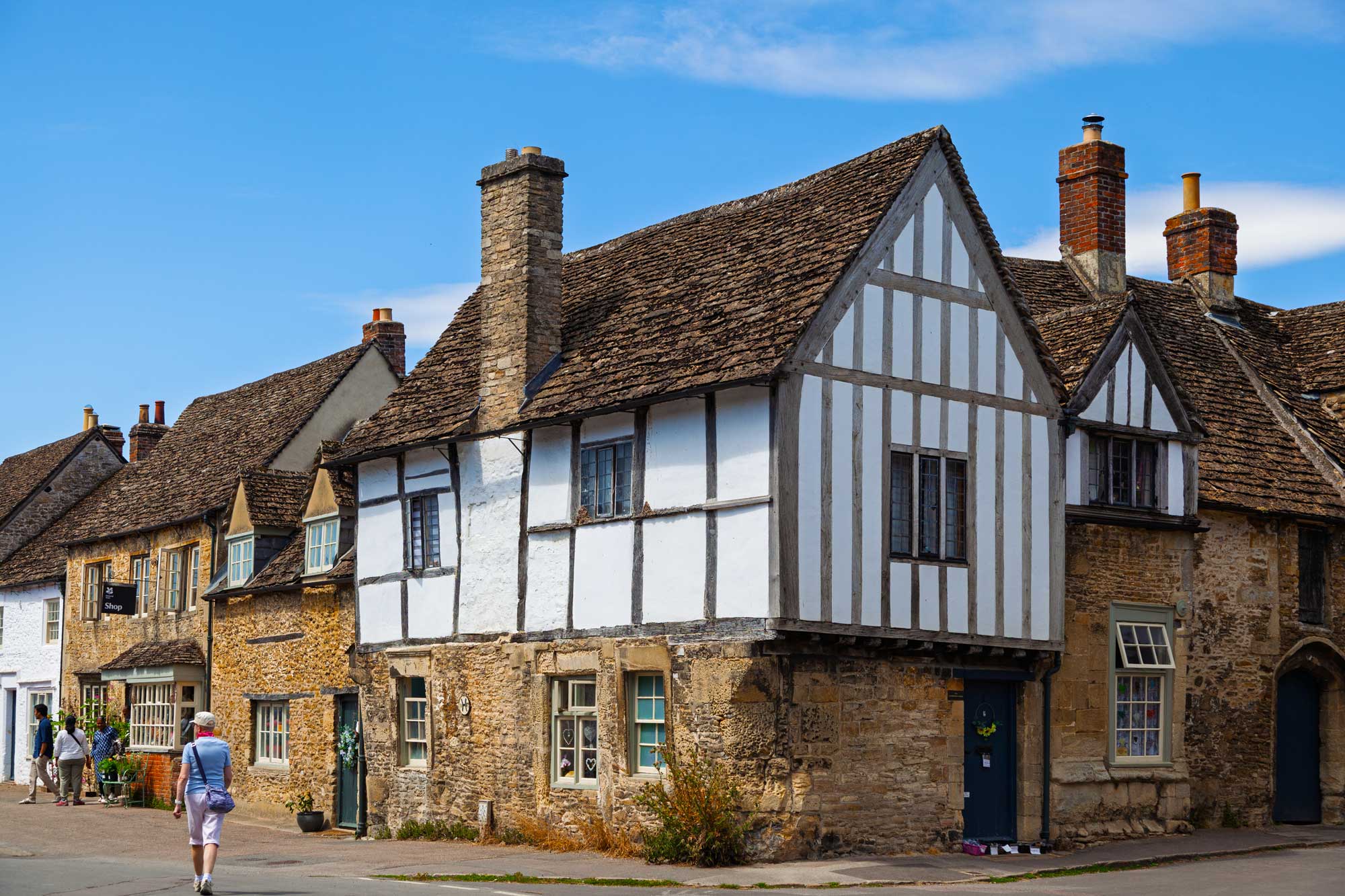
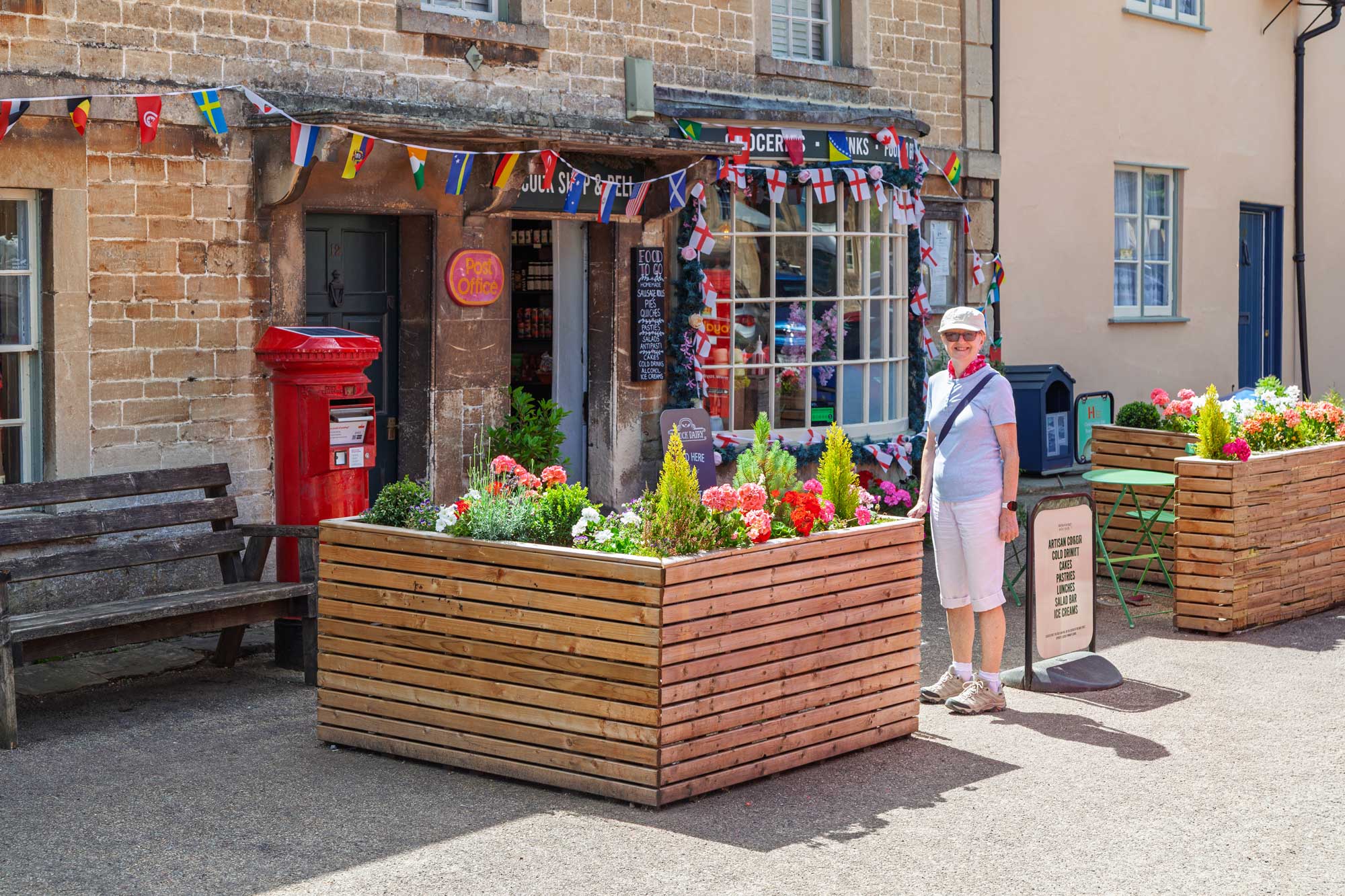
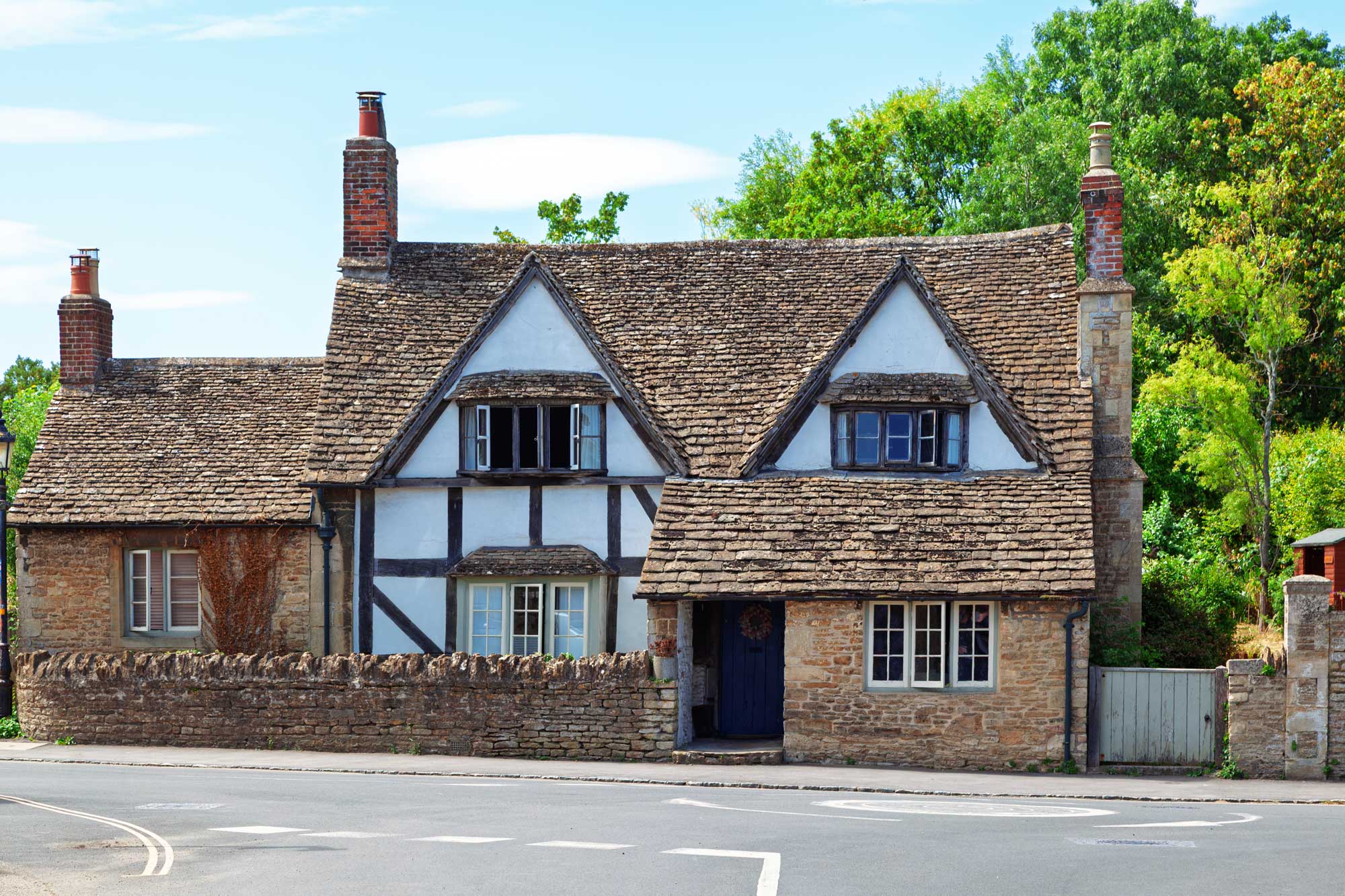
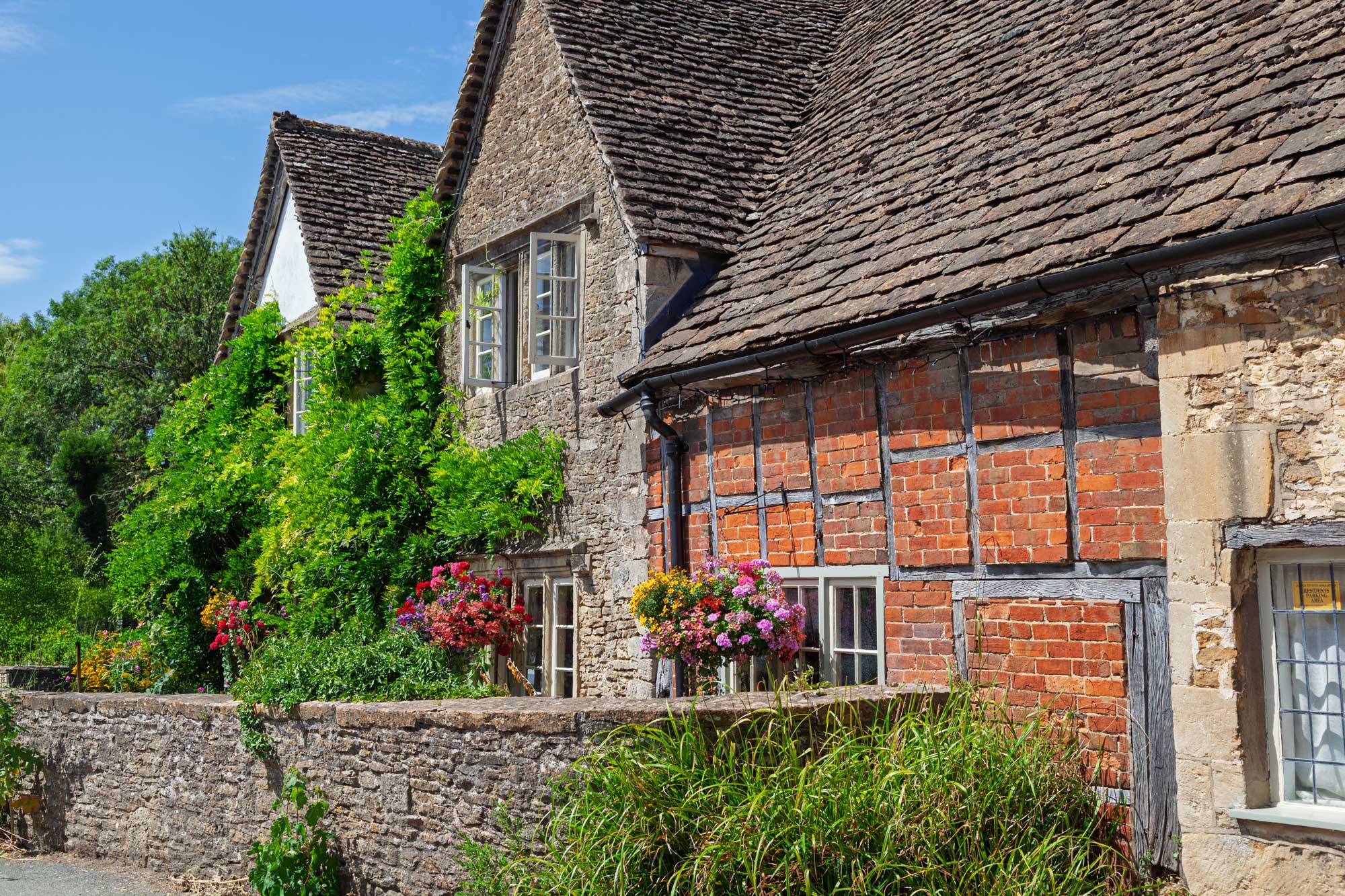
The village of Lacock is also a lovely place to visit. It has been used many times as a filming location in productions such as Harry Potter, Downton Abbey, Wolf Hall and An American Werewolf in London to name just a few. Almost the whole village is owned by the National Trust.
The White Horse near Uffington
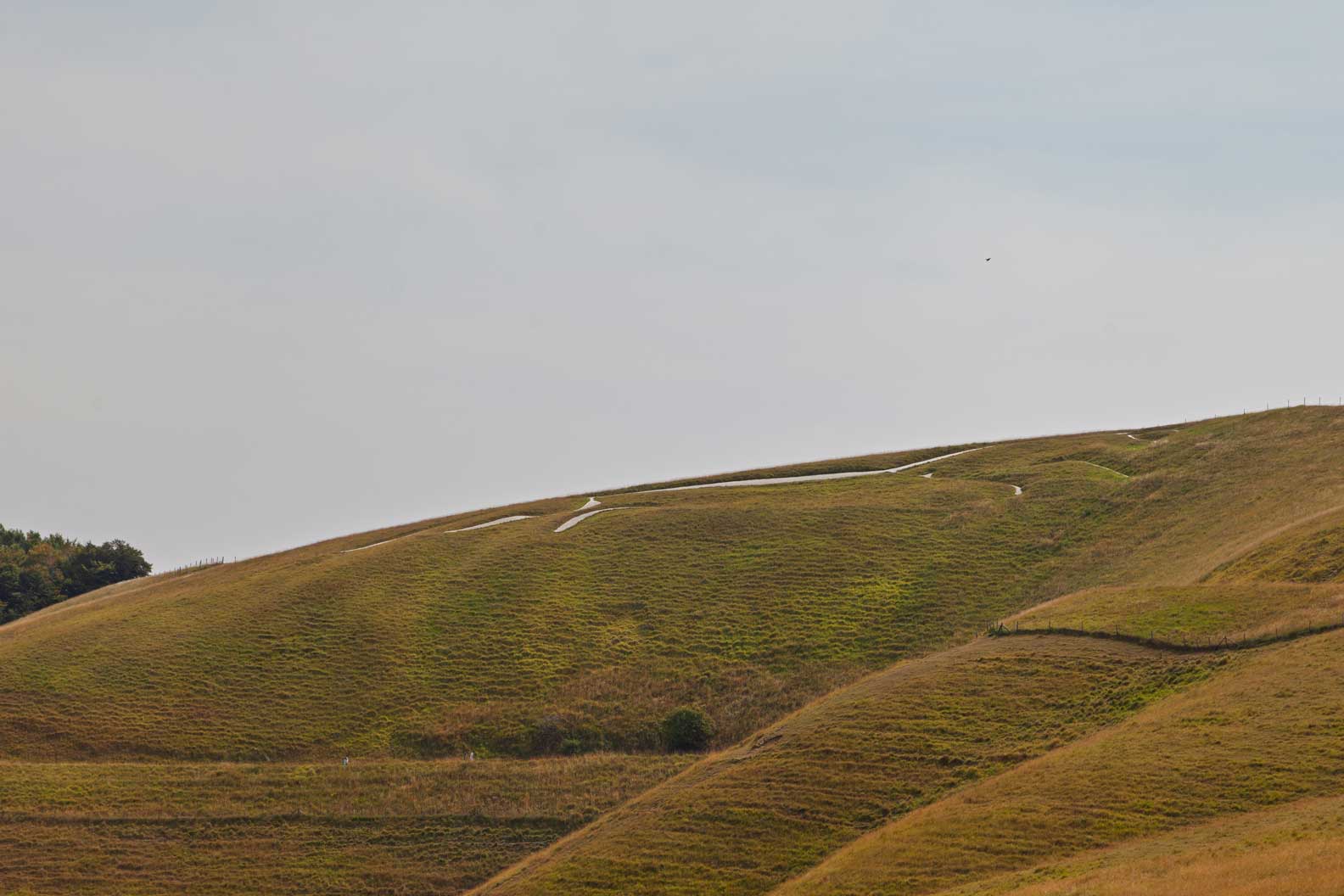
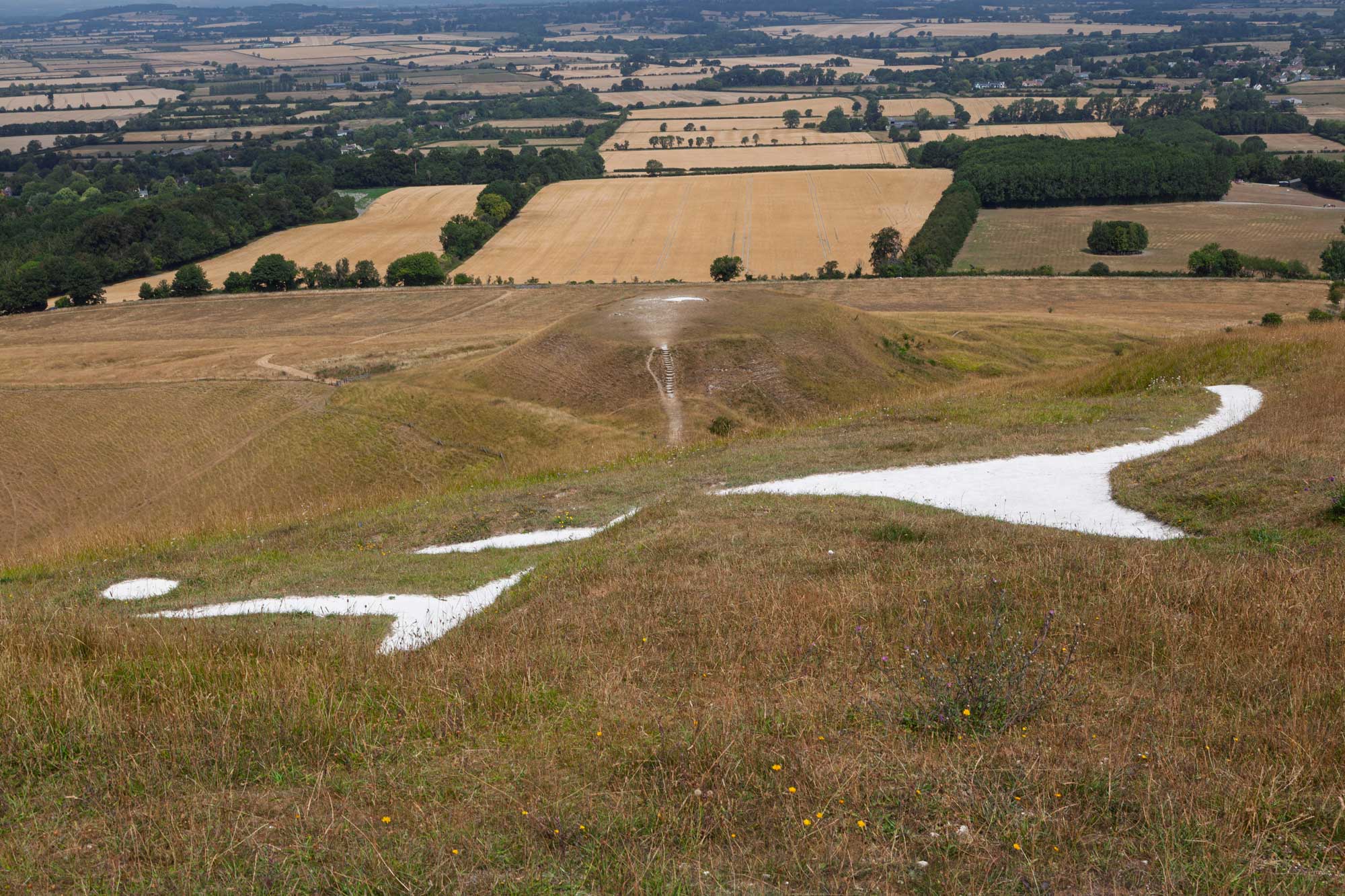
Another place I'd visited before (albeit around 40 years ago) is the the White Horse near to the village of Uffington. It is not the most easily visible White Horse in Wiltshire but it is certainly the oldest.
It has been dated back to the late bronze age, making it at least 3,000 years old. Unlike realistic 18th-century chalk horses found across Wiltshire, the Uffington figure features a minimalist, disjointed design with a unique "beaked" head. It closely resembles horse emblems found on ancient Celtic coins. The figure has survived because throughout the millennia since its creation, locals have regularly kept it clear of grass.
Bowood House
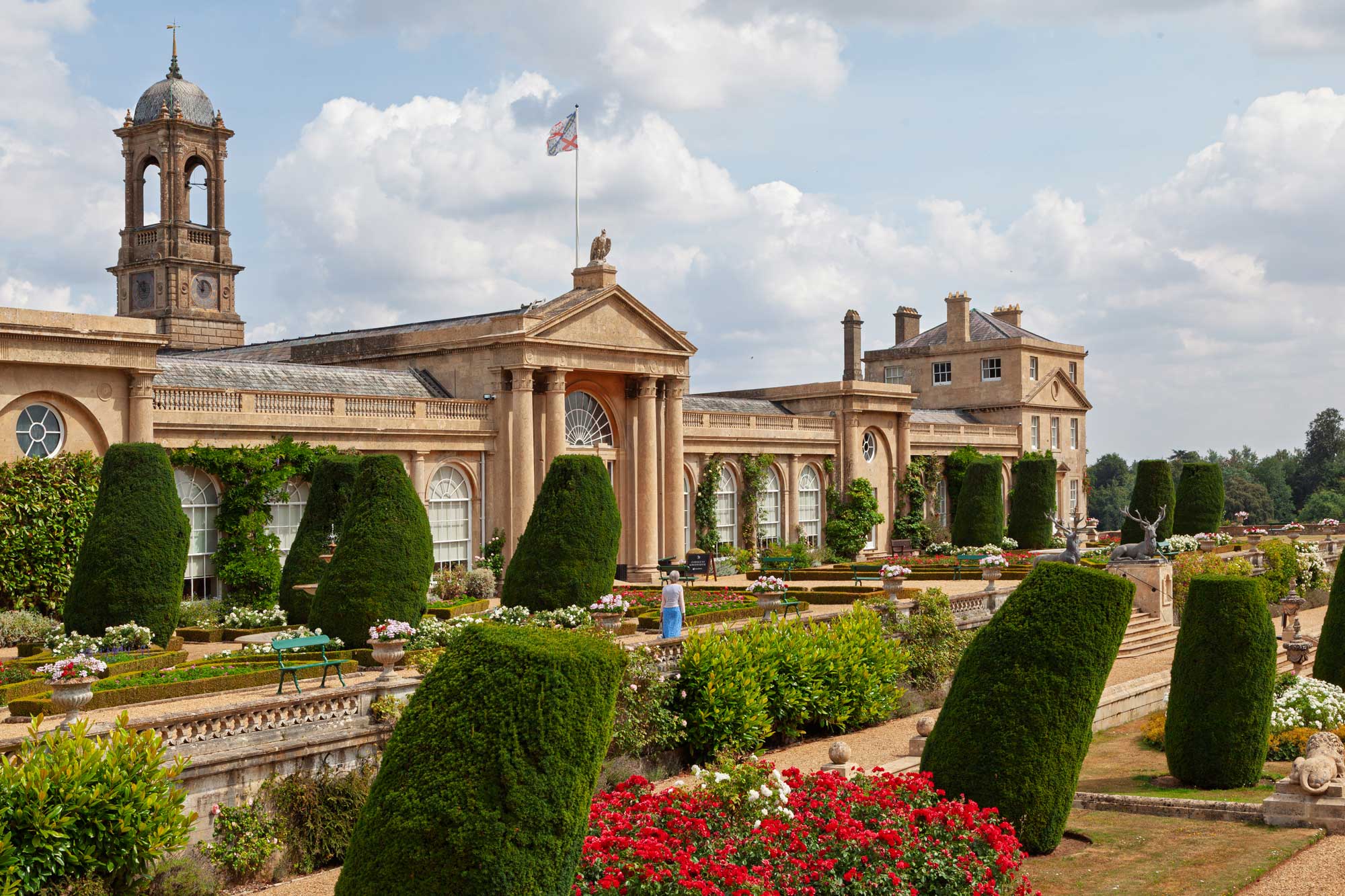
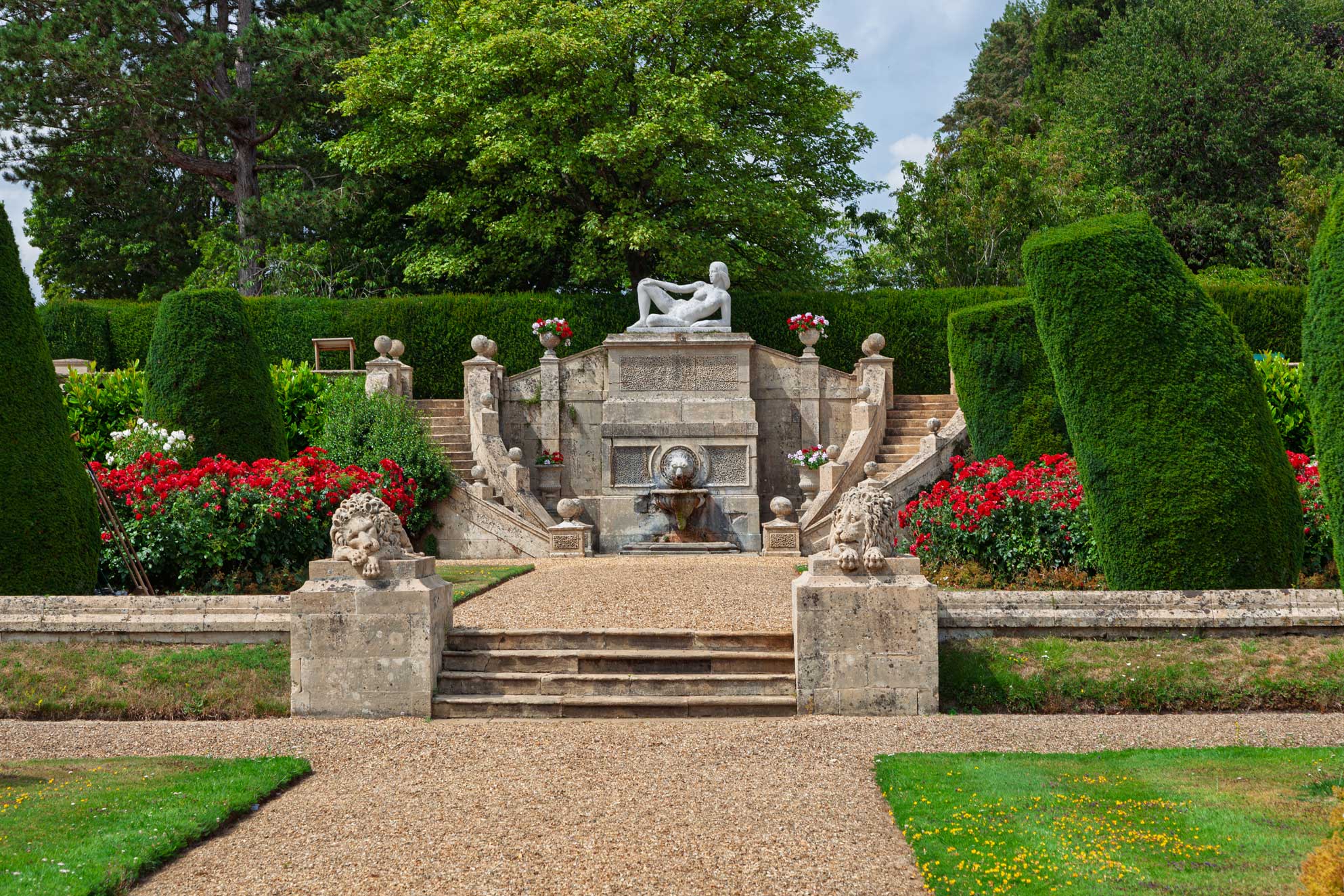
I hadn't heard of Bowood House before. It proved to be very interesting, particularly as it had been the location where Joseph Priestley had carried out his experiments that led to him finding the element oxygen which, at the time, he called Dephlogisticated Air.
Why such a strange name? It is because, back in the 18th Century, scientists believed that all combustible materials such as wood or coal contained an invisible, weightless element that they called Phologiston. When something burned it supposedly released phlogiston into the surrounding air. Burning would eventually stop if the air became completely saturated with phlogiston and could not absorb any more.
When Priestley isolated the new gas, he noticed that candles burned much brighter and longer in it than in normal air, and mice survived inside sealed containers of it much longer. Because this new air was so exceptionally good at supporting combustion, Priestley deduced that it must be completely empty of phlogiston. He reasoned that because the air had no phlogiston of its own, it could rapidly and eagerly absorb phlogiston from the burning candle. Therefore, he called it "dephlogisticated air" (literally meaning "air deprived of phlogiston").
Shortly after, the French chemist Antoine Lavoisier repeated Priestley's experiments but took careful measurements of the weights involved.Lavoisier realized that materials do not release a substance when they burn; instead, they absorb a component out of the air. In 1777, Lavoisier officially debunked the phlogiston theory and renamed the gas oxygen (from the Greek words meaning "acid-former"), proving that combustion is actually a chemical reaction involving a rapid combination with oxygen.
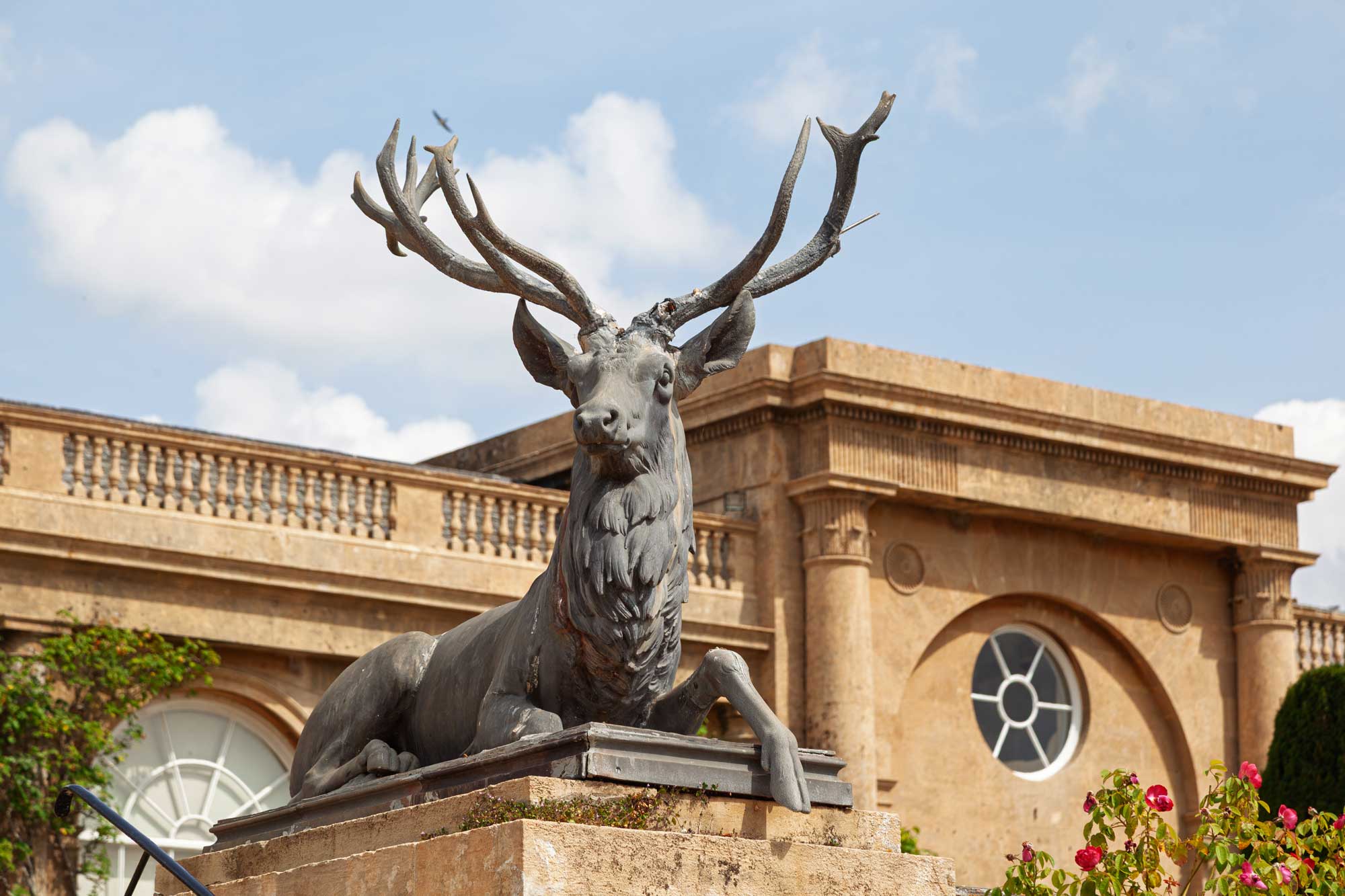
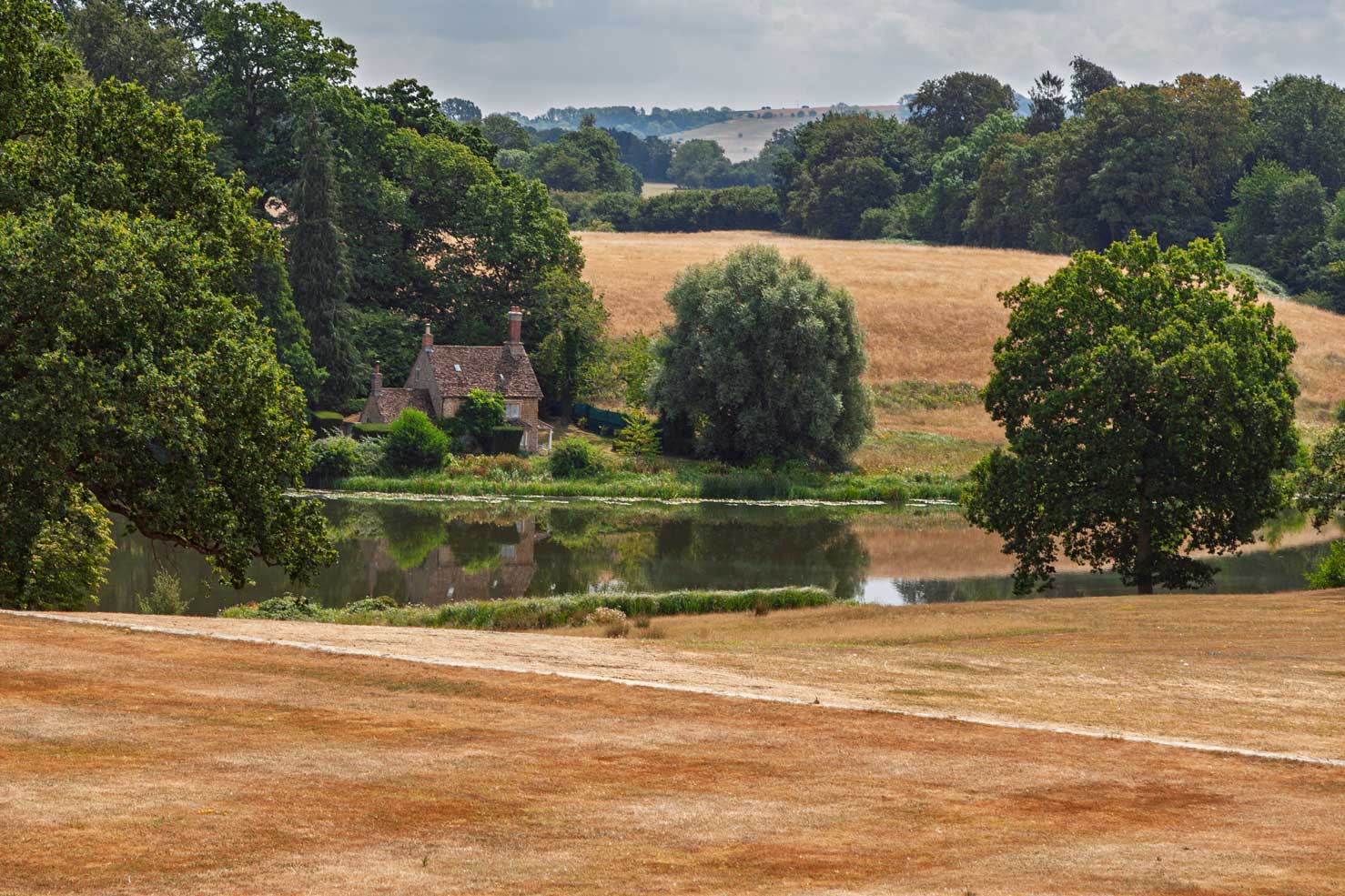
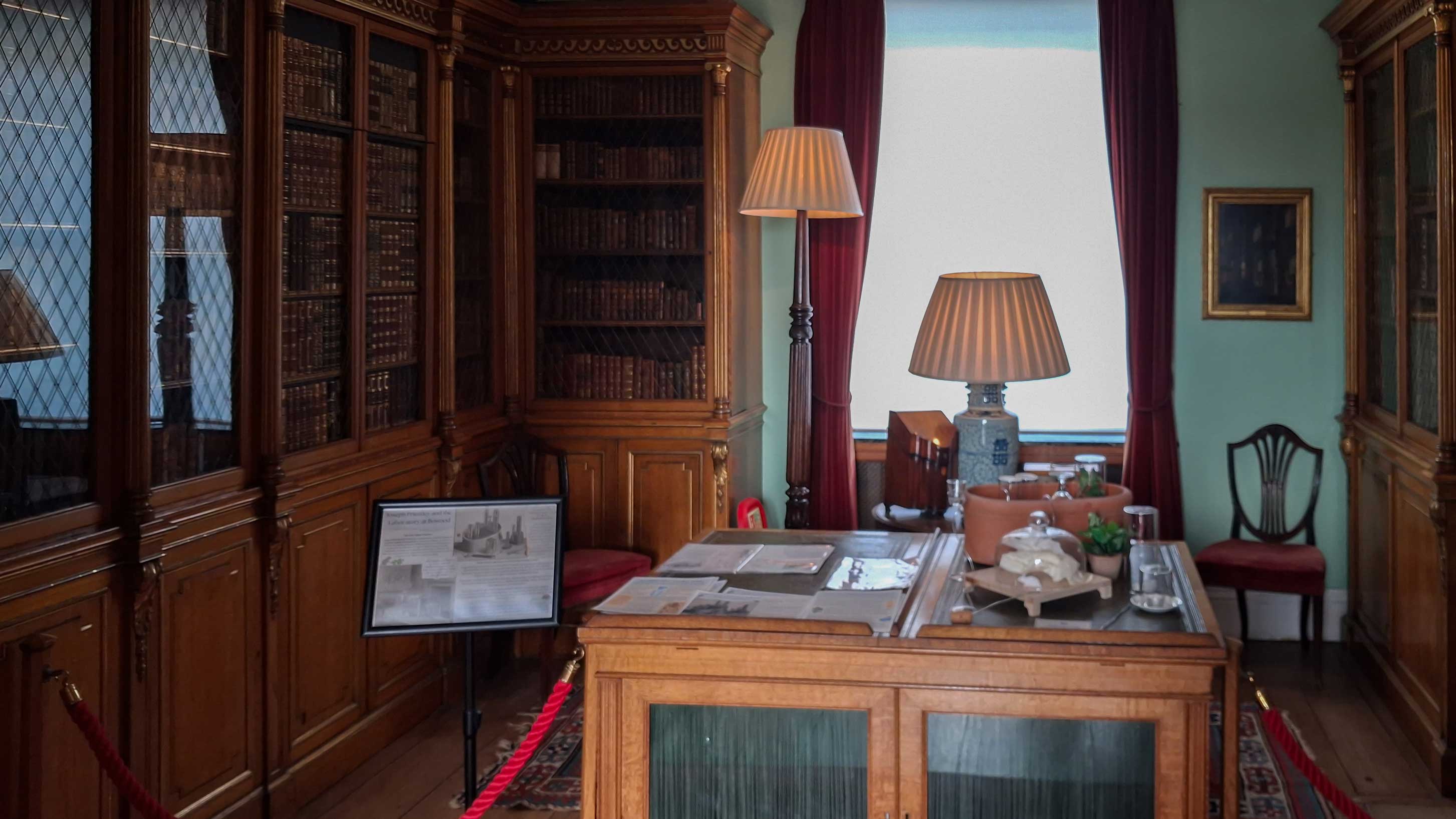
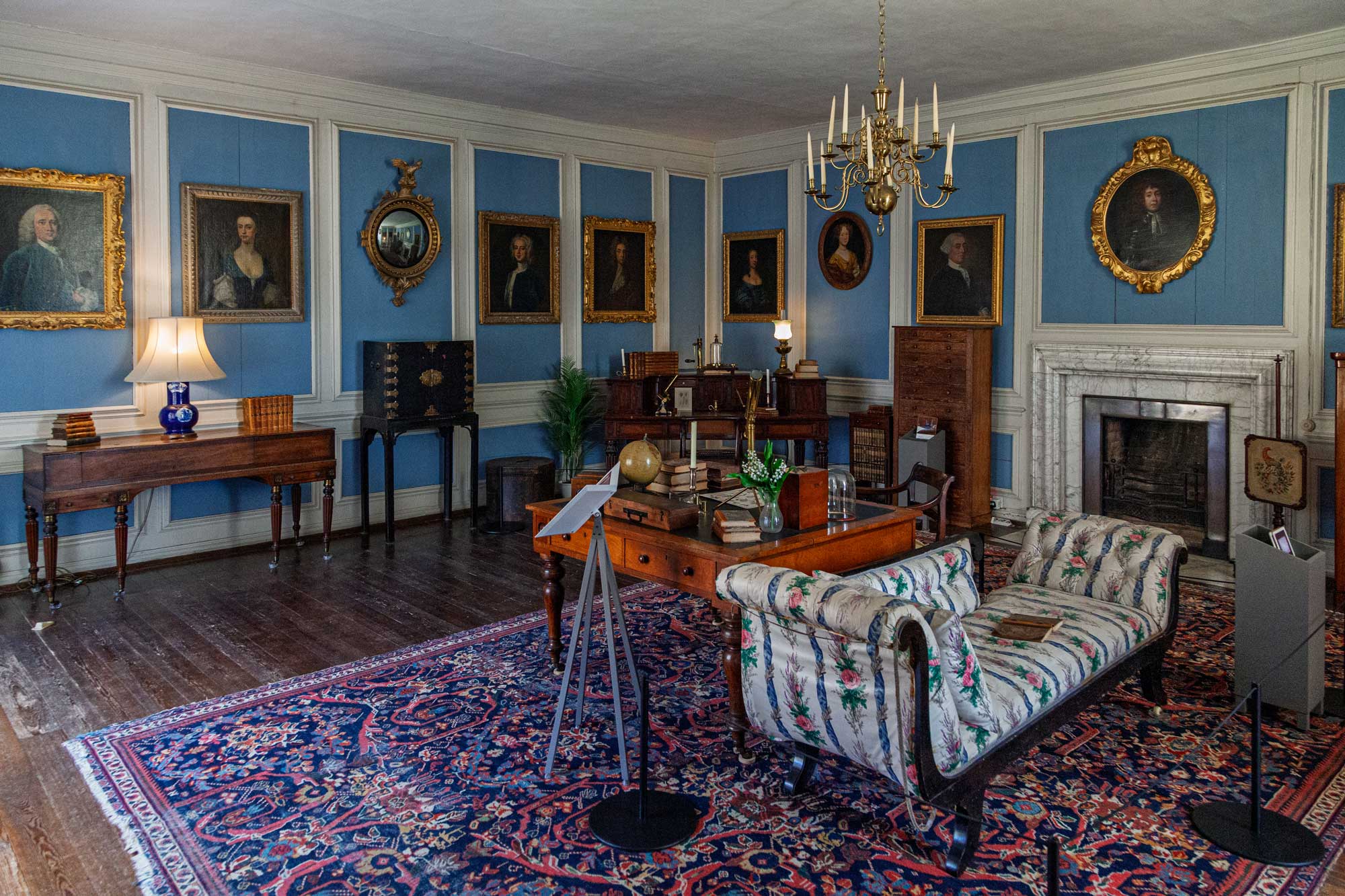
This is the room in which Joseph Priestley discovered oxygen.
Avebury Manor and Stone Circle
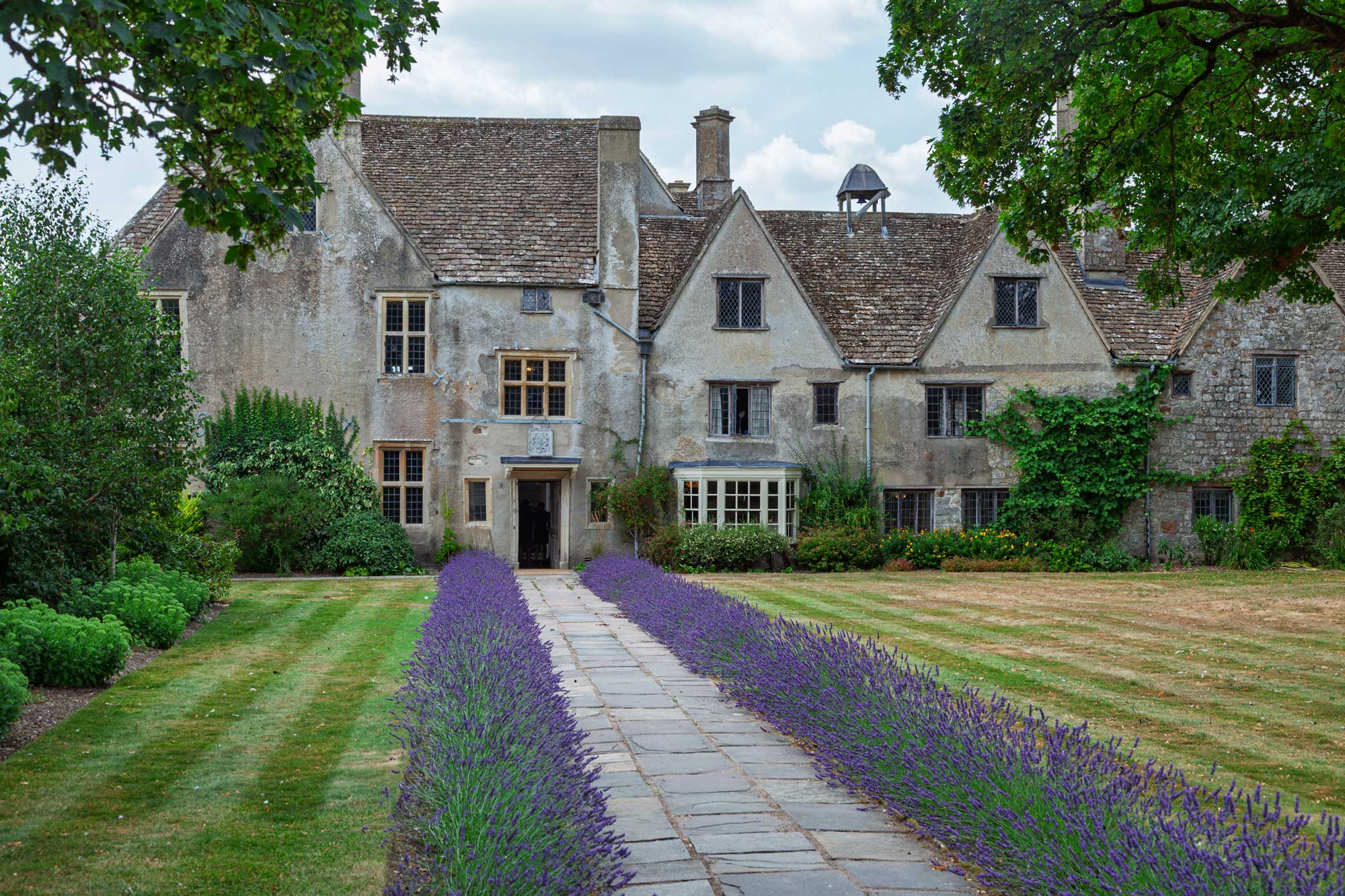
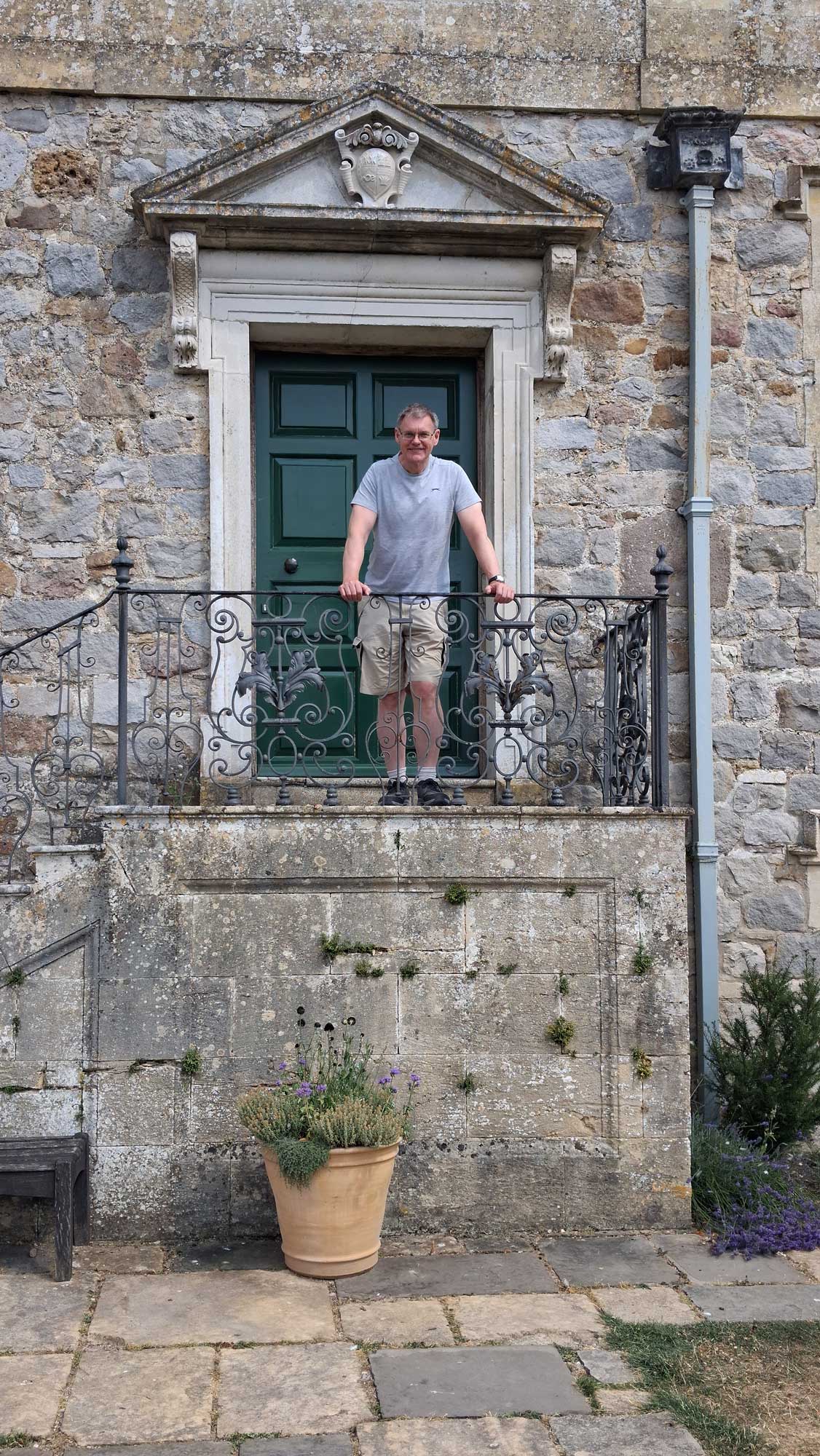
Avebury Manor is a 16th Century building located in the village of Avebury. In 2011 it featured in the BBC TV series The Manor Reborn which resulted in historians and craft experts collaborating to recreate authentic period details.
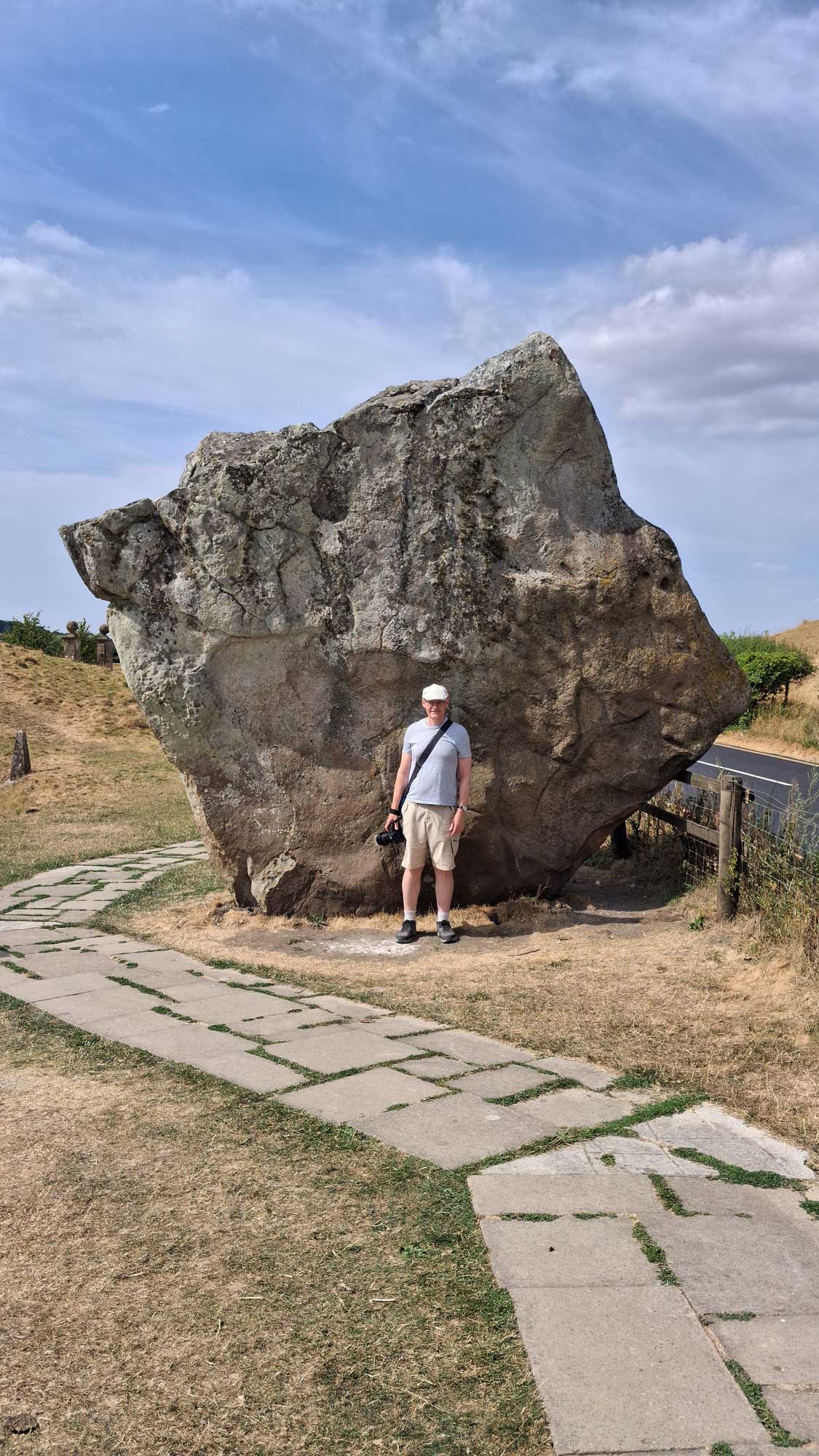
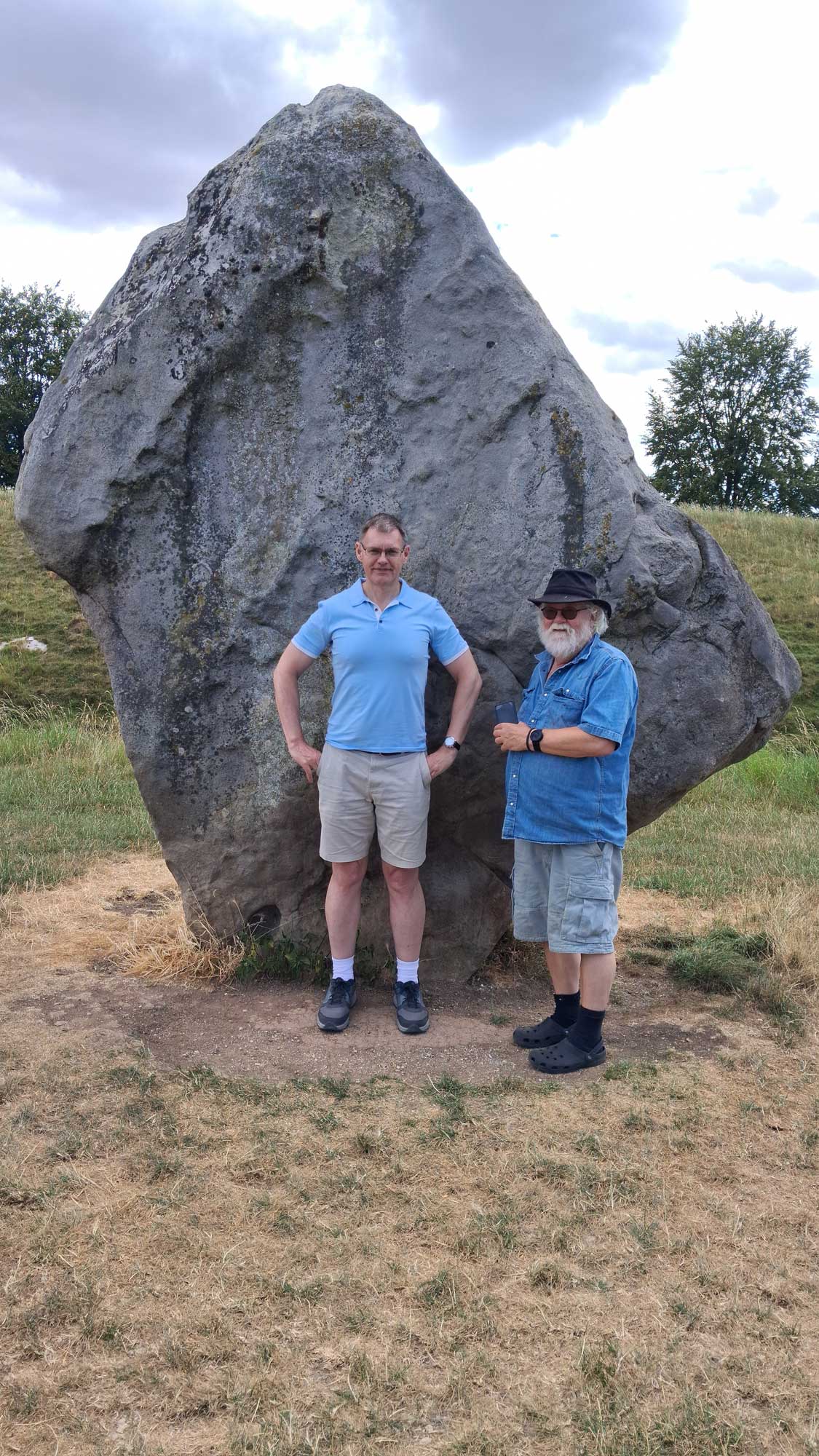
One of the rooms was used by Alexander Keiller as his drawing office. He was the archaelogist who excavated and preserved the surrounding ancient stone circle but is also known for his marmelade ... he was the heir to Keiller's Dundee Marmelade which was the world's first commercially produced brand of marmelade (founded in Scotland in 1797).